Introduction
Normally a staple on farms and homesteads, chickens are becoming increasingly popular among hobbyists and urban homesteaders. They are a low-maintenance livestock that provides their owners with a variety of benefits, from fresh eggs to pest control and even fertilizer for the garden. However, caring for chickens requires some basic knowledge and dedication. In this article, we will cover the most important aspects of chicken care, including providing a secure living space, a balanced diet, regular cleaning and maintenance, and complying with local laws and regulations.
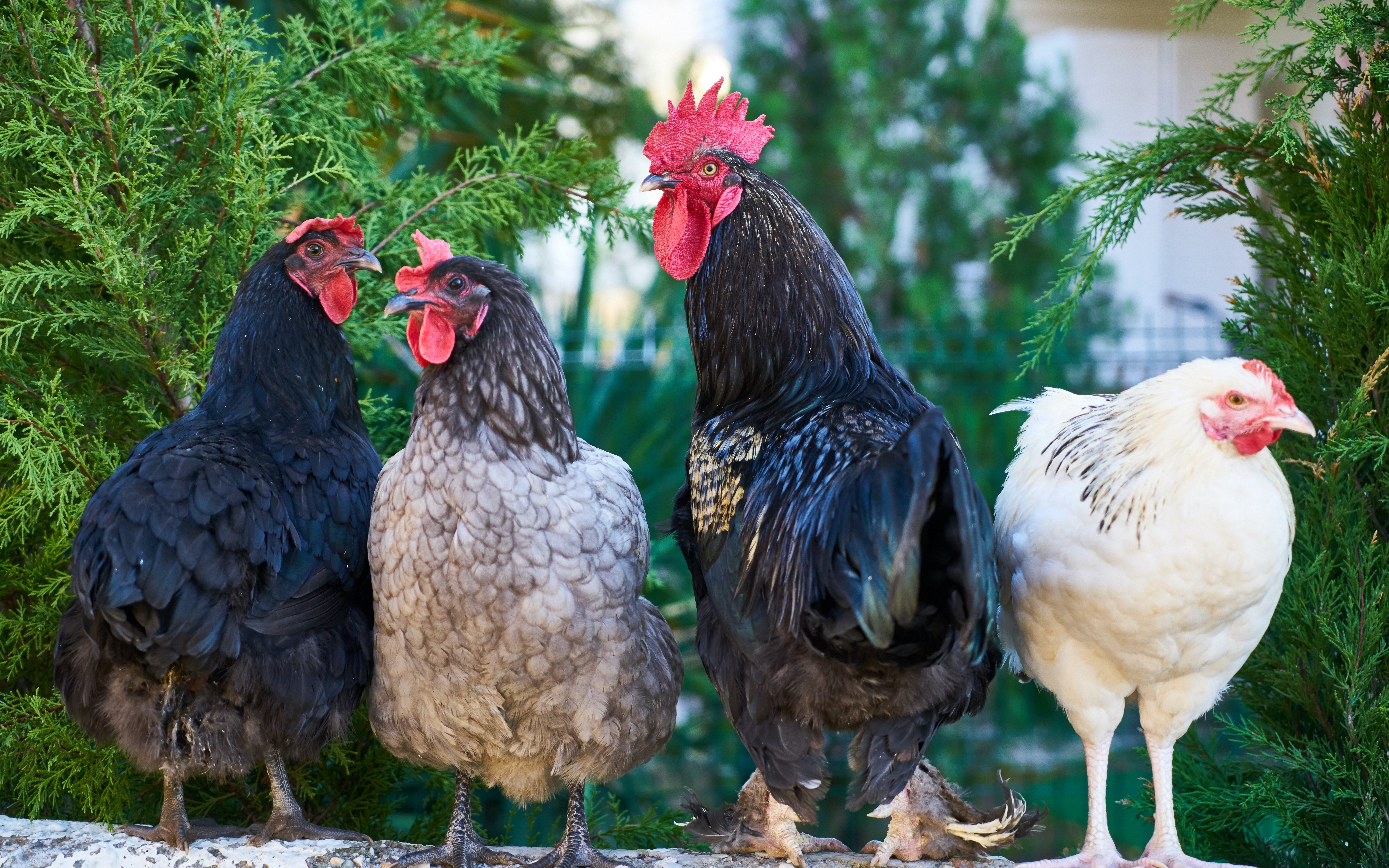
In terms of behavior, chickens are social animals and thrive in groups. It’s recommended to have at least three chickens so they can establish a pecking order and social hierarchy. They also enjoy dust bathing and perching on roosts. Providing access to both will keep them happy and healthy.
Secure Living Space
Caring for chickens is a rewarding experience, but it requires responsibility and careful consideration. One of the most fundamental aspects of raising chickens is providing them with a safe and secure living space. This means that chicken coops should be designed with a focus on protection from predators such as raccoons, foxes, and hawks.
A sturdy coop is essential to keeping chickens safe from predators. The coop should have a solid floor, sturdy walls, and a roof that is covered with hardware cloth to keep predators out. Hardware cloth is a type of wire mesh that is small enough to keep predators out while still allowing air to circulate. It is important to choose high-quality materials that can withstand the elements and the wear and tear that comes with housing chickens.
In addition to sturdy construction, the coop should have a door that locks securely to prevent any unwanted visitors from getting in. Predators are very crafty and can quickly find their way into an unsecured coop. To prevent this, the door should be made of durable materials and lock tightly to prevent any access.
When deciding on the size of the coop, you should consider the number of chickens you have. Chickens need adequate space to move around and exercise, and they also need room to lay eggs. As a general rule, chickens need at least 4 square feet of indoor space and 10 square feet of outdoor space per bird. This means that a coop for 6 chickens should be at least 24 square feet and an outdoor area of at least 60 square feet. Taking the time to design and build a sturdy coop will pay off in the long run, providing your chickens with a comfortable and safe place to live.
Balanced Diet
Maintaining a balanced diet is key to keeping your chickens healthy and productive. They will eat just about anything they can peck at and get past their beaks, including bugs, and even small snakes (I have seen our chickens do this a few times before we could save the snake). Despite their semi-indiscriminate appetites, chickens require a well-rounded diet to thrive. A proper diet will not only help to promote growth and development, but also helps to maintain a strong immune system, which can prevent diseases and other health issues.
Chickens need a combination of grains, protein, and calcium to thrive. Commercial chicken feed is available in various forms, including pellets, crumbles, and mash, and is formulated to provide all the necessary nutrients in the right proportions. These feeds usually contain a mix of grains like corn, wheat, and barley, along with protein sources like soybeans, fishmeal, or mealworms, which provide essential amino acids.
Alternatively, you can create your own mix using different grains and protein sources. When making your own feed, it’s essential to ensure that you’re providing the right balance of nutrients. Providing too much of one nutrient and too little of another can result in an unbalanced diet and lead to health problems. You can also add supplements like oyster shells or crushed eggshells to provide the necessary calcium for strong eggshells.
In addition to their regular feed, chickens also need access to clean water at all times. Water is essential for digestion, hydration, and regulating body temperature. Chickens can drink up to 1 pint of water per day, so it’s important to ensure that they have enough water available to meet their needs.
Chickens also enjoy occasional treats, like fruits and vegetables. These treats can be given in small amounts and should not make up more than 10% of their overall diet. Fruits and vegetables can provide additional vitamins and minerals and can also help to keep chickens entertained and reduce stress.

Regular Cleaning and Maintenance
Keeping chickens is a rewarding experience, but it also requires consistent maintenance to ensure the health and happiness of your flock. Chickens can be messy animals, and their coop can quickly become soiled with droppings and food scraps. Regular cleaning and maintenance are necessary to keep your chickens healthy.
It is recommended that you clean your coop at least once a week. Start by removing all the droppings, old bedding, and food scraps from the coop. Dispose of the waste material appropriately, since chicken droppings can contain harmful bacteria that can cause diseases. Once you’ve cleared the coop of all waste, use a brush or a scraper to remove any stuck-on debris.
After cleaning, replace the old bedding with fresh straw, wood shavings, or sand. The bedding material should be soft, absorbent, and provide insulation. It’s important to ensure that the bedding is dry to prevent the growth of bacteria and mold, which can cause respiratory issues for your chickens.
In addition to cleaning the coop, you should also clean and refill the water and food containers regularly. Chickens require clean water to stay hydrated and healthy, so make sure to change the water daily and scrub the waterer with a brush to remove any dirt or debris. The same applies to the feeder. Refill it with fresh food, and clean it to prevent mold growth and pest infestations.
Keeping your coop clean will help to prevent the spread of diseases and keep your chickens healthy. It also makes the coop a more pleasant environment for your chickens to live in, which can help to reduce stress and promote a happy and contented flock. Regular cleaning and maintenance of the coop, food and water containers, will ensure that your chickens are healthy and happy for years to come.
Another important aspect is to take care of the surrounding areas around the coop. Keeping the area around the chicken coop clean and free of debris and standing water can help prevent pest infestations and reduce the risk of diseases. Trim any nearby shrubs or trees to discourage predators from hiding and nesting near the coop.
You should also inspect the coop regularly. Check for any damage to the walls, roof, or floor, and repair any holes or cracks as soon as possible. Ensuring that your coop is secure will help to prevent predators from getting in and your chickens from escaping.
Additionally, adding some natural remedies to the coop can help repel pests and parasites. For instance, adding some herbs like lavender, mint, or oregano to the coop can help to repel insects and other pests. Diatomaceous earth can also be dusted in the coop to prevent pests like mites and lice.
Comply with Local Laws and Regulations
Before getting chickens, it’s important to research and understand the laws and regulations in your area. While keeping chickens has become more popular, some cities and towns have restrictions on the number of chickens you can keep, where you can keep them, and the type of coop you can have. Some may also require permits or licenses to keep chickens, and failure to comply can result in fines or other penalties.
Make sure to check with your local government or zoning board as well to find out about any restrictions or regulations before bringing home your feathered friends. Some areas may have specific guidelines regarding coop placement, size, or distance from neighboring properties. There may also be regulations regarding chicken waste disposal, noise ordinances, and property maintenance.
It’s worth noting that regulations and restrictions can vary widely by location, so it’s essential to do your research before investing in a chicken coop or bringing home chickens. Ignoring or violating local laws and regulations can result in legal and financial consequences, as well as potential harm to your chickens.
Conclusion
Taking care of chickens requires a bit of work, but it can be a fun and rewarding experience. By providing them with a suitable space, food and water, and regular cleaning and maintenance, you can ensure that your chickens stay healthy and happy. With proper care, you’ll be rewarded with fresh, delicious eggs and the joy of watching your feathered friends grow and thrive. Lastly, by understanding and complying with local laws and regulations, you can enjoy the benefits of keeping chickens without any legal issues or complications.
Subscribe now to never miss a post from Skillful Living…


 Skillful Living