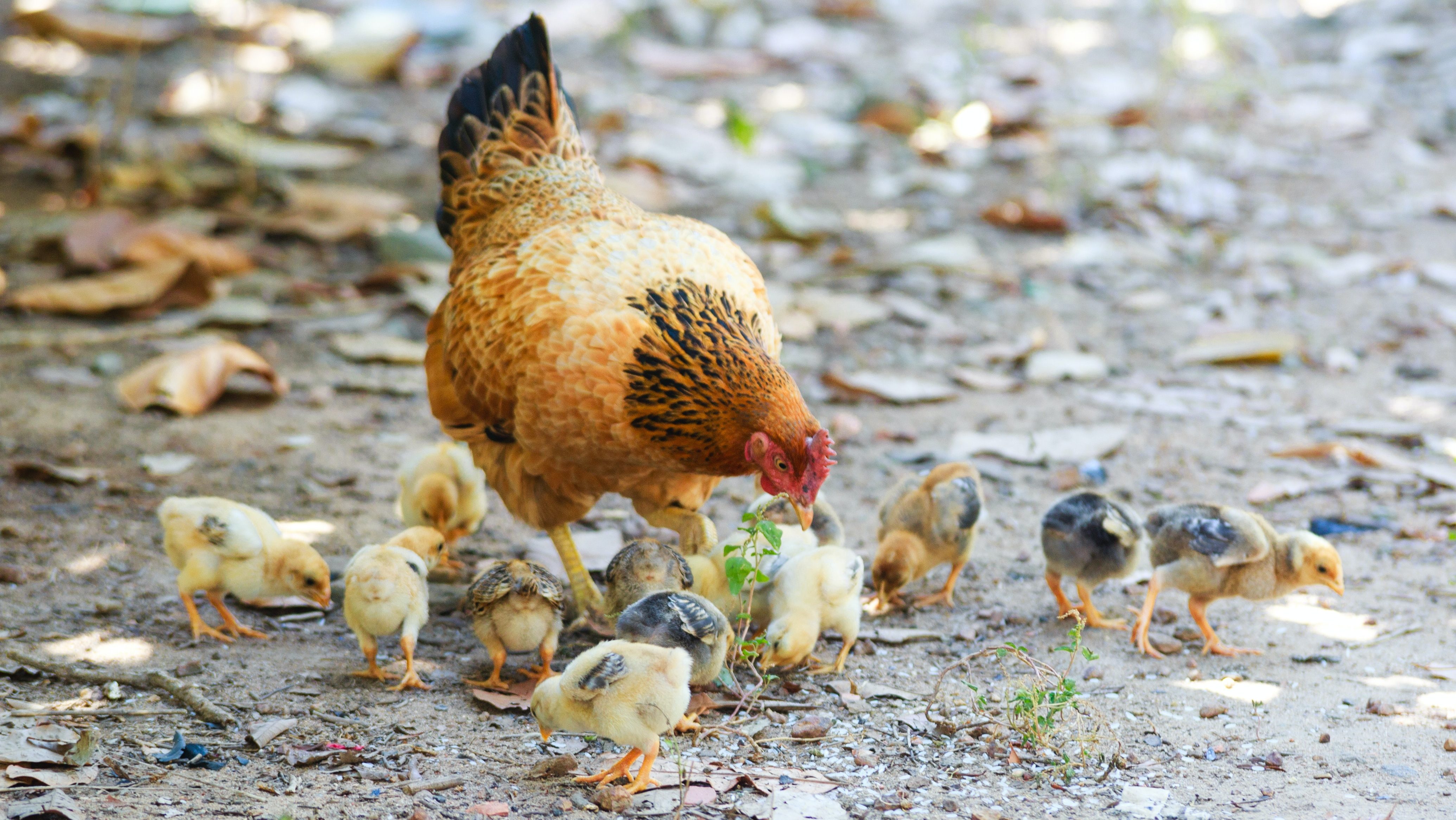
Introduction
Raising baby chicks can be an exciting and rewarding experience for anyone desiring to raise chickens. It’s not only an educational activity, but also a fun and engaging experience that the whole family can enjoy. Hatching eggs can be especially enjoyable for those who want to experience the entire life cycle of a chicken, from egg to adult.
To ensure the successful hatching and healthy development of baby chicks, there are several important steps that must be followed. This includes temperature control, feeding, housing, and protection from predators. By following these steps, you can provide the ideal environment for the chicks to thrive and reach maturity. As a side note, if you choose to purchase live chicks, skip the first couple of steps in the process and begin your process at the discussion on temperature control.
Hatching Eggs
When it comes to hatching chicks, you’ll first need to obtain high-quality fertilized eggs. To ensure the best chance of success, it’s recommended to look for eggs that come from healthy, disease-free chickens that are fed a well-balanced diet. Fertilized eggs can be purchased from local breeders or hatcheries, or you can hatch eggs from your own flock if you have a rooster. By starting with high-quality eggs, you set the foundation for a healthy and thriving flock of chicks.
After getting your eggs, you’ll need to properly store them before placing them in an incubator. Store the eggs at a temperature between 500-680F (100-200C), with a humidity level of around 60-70%. Turn the eggs at least once a day to prevent the embryo from sticking to the inside of the shell.
When you’re ready to begin incubating your eggs, you can use a variety of incubators. An incubator is a device that mimics the conditions of a broody hen, providing warmth and humidity to the eggs. There are many different types of incubators available, ranging from basic models that require manual temperature and humidity adjustments to more advanced models with digital controls and automatic egg turners.
Regardless of the type of incubator you choose, you should always place your incubator in a stable environment, away from direct sunlight, drafts, and extreme temperatures. Additionally, you should have a backup power source available in case of a power outage.
When using an incubator, it is important to monitor the temperature and humidity closely throughout the incubation process, which lasts about 21 days. Variations in temperature can be detrimental to the developing chicks. The ideal temperature for incubating chicken eggs is around 990 to 1010F (37.20-38.30C), with a humidity level of around 50-55% during the first 18 days, and then raised to around 65-75% during the last 3 days.
Once the eggs begin to hatch, it’s important to leave them in the incubator until they are dry and fluffy. This can take several hours, and during this time, the chicks will absorb the remaining yolk sac, which provides them with nutrients and energy for their first few days of life.
After the chicks have hatched and are dry, you can move them to a brooder box, which should be set up with proper heating, bedding, food, and water. It’s important to monitor the chicks closely during the first few weeks of life to ensure they are healthy and thriving.
Protecting from Variations in Temperature
Maintaining the proper temperature is key for the health and well-being of baby chicks. Chicks are not able to regulate their own body temperature until they are around three weeks old, so it is important to keep them warm during this time.
The ideal temperature for newly hatched chicks is around 95-100°F (35-38°C). This temperature should be gradually decreased by around 5°F (3°C) per week until the chicks are fully feathered and able to regulate their own body temperature. It’s important to note that the temperature can vary slightly depending on the breed of chicken, so it’s best to check the specific requirements for your breed.
To maintain the proper temperature, you will need a heat source such as a heat lamp or heating pad. Place the heat source at one end of the brooder box so that the chicks can move away from the heat if they become too warm. It’s important to monitor the temperature regularly using a thermometer to ensure that it stays within the appropriate range.
If the temperature is too low, the chicks will huddle together and may become lethargic. If the temperature is too high, the chicks will move away from the heat source and may pant or become dehydrated. If you notice any of these signs, adjust the temperature accordingly.
Additionally, it’s important to provide adequate ventilation in the brooder box to prevent the buildup of ammonia and other harmful gases. A well-ventilated brooder box will help ensure that your chicks grow into healthy and happy adult chickens.Top of Form
Proper Chick Starter Food and Water
Once the chicks hatch, it is important to provide them with proper nutrition and hydration. Commercial chick starter feed is available at most feed stores, such as Tractor Supply (no affiliation), a local feed and grain store or a local Co-op, and should contain the necessary nutrients for healthy growth and development. You should also provide a constant supply of clean water, either through a waterer specifically designed for chicks or a shallow dish.
Proper Housing
Chicks need a safe, warm, and dry space to grow and develop. When choosing a housing option for your chicks, it is important to consider the size and number of chicks you have, as well as their age and breed. A brooder box, which can be constructed from a variety of materials such as cardboard, wood, or plastic, is necessary to meet this need. For a list of 15 Easy DIY Chicken Brooder Plans You Can Make, click here (https://www.itsoverflowing.com/diy-chicken-brooder/). Just FYI, this link is for informational purposes only. All rights, ideas, and plans are those of the owning website, “itsoverflowing.com.”
The brooder box should be lined with a soft, absorbent bedding material, such as pine shavings, and provide enough space for the chicks to move around comfortably, but not so large that they cannot easily find the heat source. Regular cleaning and maintenance of the chick’s bedding is essential to their overall health and well-being. It is recommended to change the bedding regularly with new, clean, and dry shavings once it begins to get soiled. You can also perform spot cleaning while the chicks are still small, but it is best to replace the bedding entirely every couple of days. This helps to prevent any buildup of ammonia and keeps the chicks healthy and comfortable.
Coop: Once your chicks have grown enough to move out of the brooder, they will need a coop to call home. A coop should be secure, well-ventilated, and provide protection from predators. The coop should also be large enough to provide adequate space for the number of chickens you plan to keep and is a very important part of raising chickens.
Here are some tips for creating a suitable coop for your chicks:
- Size: The coop should be large enough to accommodate the number of chicks you have. A good rule of thumb is to provide at least 2-3 square feet of space per chick. As the chicks grow, they will need more space, so make sure to plan ahead.
- Ventilation: Good ventilation is essential to keep the coop fresh and dry. Without proper ventilation, the coop can become damp and humid, which can lead to respiratory problems for the chicks.
- Heat: Chicks need a warm environment to thrive, especially during the first few weeks of their lives. During this time, you will need to provide a heat source such as a heat lamp or a heating pad to keep them warm. Make sure to monitor the temperature regularly and adjust the heat source as needed.
- Bedding: Provide a layer of bedding such as straw, wood shavings, or sand on the floor of the coop. This will help absorb moisture and provide a comfortable surface for the chicks to walk and rest on.
- Roosts: Chicks may not use roosts at first, but it is still a good idea to provide them. As they grow, they will begin to use the roosts to sleep on at night.
- Feeder and Waterer: Provide a feeders and waterers that are appropriate for the size and number of chicks you have. Make sure they are clean and filled with fresh food and water daily.
By providing a suitable coop for your chicks, you can ensure that they have a safe and comfortable living space to grow and thrive in. Happy chickens means lots of eggs!
Run: In addition to the coop, your chicks will need a run or small yard, which is an outdoor enclosure where they can stretch their legs, dust bathe, and forage. The run should be covered with wire mesh to protect the chicks from predators like hawks, opossums, or raccoons, to name a few. The wire mesh should be small enough to prevent predators from entering, but large enough to allow for adequate airflow and sunlight.
Safety from Predators
When it comes to raising baby chicks, one important factor to consider is their safety. Some of the biggest threats to baby chicks are predators, such as hawks, foxes, rats, snakes, and even domestic dogs and cats. Therefore, it is important to take measures to protect them from harm.
One common safety concern is the size of the fencing used to enclose the area where the chicks are kept. Standard size chicken wire or fencing may not be sufficient to keep baby chicks contained, since they are small enough to slip through the gaps in the wire. This can be a significant problem, since predators may be able to enter the enclosure if the chicks are able to escape.
To prevent baby chicks from escaping through the fence, it is advisable to reinforce it by adding small-gap mesh wire or hardware cloth to the bottom of the fence to keep the chicks inside.
Predator protection is crucial for the safety and well-being of baby chicks. A secure and reinforced fence is an effective measure that can help ensure their safety as they grow and mature.
Expected Age of Maturity
Chickens reach maturity at different ages, depending on their breed. Most chickens will begin laying eggs at approximately 6 months of age, with some breeds taking up to 9 months to start laying. It is important to research the specific breed of chicken you are raising in order to determine their expected age of maturity. Additionally, the eggs they produce will most-likely be more flavorful and have darker yolks (deep yellow to almost orange) than you may be accustomed to eating. This is due to having a healthy diet containing good grains, such as chicken scratch, layer crumbles and the bugs they find while going about their normal daily activities.
Conclusion
Hatching and raising baby chicks is a fulfilling and exciting experience. By following the proper steps, including incubating the eggs, providing proper nutrition and hydration, ensuring safe housing and protection from predators, and monitoring the temperature and humidity levels, you can successfully raise healthy and happy chicks that will eventually grow into egg-laying chickens
Subscribe now to never miss a post from Skillful Living…


 Skillful Living