
Introduction
Egg production is one of the main reasons why people choose to raise chickens. However, it is important to understand that a hen’s egg-laying capacity is influenced by several factors, including age, breed, and environment.
When hens reach the age of maturity, which is typically around 22-26 weeks old, they start to lay eggs. However, the number of eggs that a hen lays per year varies based on several factors, such as breed, age, and season. On average, most hens lay one egg per day. However, some breeds, such as Leghorns, are known to lay more than one egg per day. Other breeds, such as Silkies, may only lay a few eggs per week.
Climate
Before deciding on which chicken breed to raise, it’s important to take your local climate into account. Some breeds are better suited to certain climates than others, and choosing the wrong breed for your area can lead to health problems and reduced egg production.
For example, if you live in a hot and humid climate, it’s best to choose a breed that is heat-tolerant and has a smaller body size. Breeds such as Leghorns, Minorcas, and Anconas are known for their heat tolerance and ability to lay eggs in hot weather.
On the other hand, if you live in a colder climate, it’s important to choose a breed that is cold-hardy and can handle harsh winter weather. Breeds such as Rhode Island Reds, Plymouth Rocks, and Wyandottes are known for their hardiness and ability to lay eggs in colder temperatures.
Space and Temperament
It’s also important to consider the amount of space your chickens will have access to. If you have limited space, choosing a breed that is smaller in size, such as Bantams, can be a good option. However, if you have plenty of space, larger breeds such as Orpingtons and Brahmas can thrive.
In addition to climate and space considerations, it’s also important to research the breed’s temperament and egg-laying abilities. Some breeds are known for being more docile and friendly, while others can be more aggressive. Similarly, some breeds are better egg-layers than others.
Egg Production
It is also important to note that hens do not lay eggs every day of the year. They go through a natural process called molting, which typically occurs in the fall. During this time, hens slowly lose their feathers and stop laying eggs while their bodies focus its’ energy on growing new feathers. This period can last anywhere from a few weeks to a few months, depending on the individual hen. Therefore, it is important to factor in molting when planning for egg production.
Another factor to consider is the age of the hen. As hens age, their egg production typically declines. By the time hens are 3-4 years old, they may only lay a few eggs per week. However, some hens have been known to lay eggs well into their old age, and there are ways to encourage egg production in older hens, such as providing a balanced diet and keeping them in a stress-free environment.
Which Chickens Lay Best?
- Rhode Island Red: This breed is known for its large, brown eggs and is a reliable layer, even in colder weather. They’re also docile and easy to care for, making them a great choice for beginners. They lay large to extra-large eggs and produce an average of 260 eggs per year.

- Leghorn: This breed is a popular commercial egg layer, known for its high egg production and small size. They lay white eggs and are a bit more active and nervous than other breeds. They lay large to extra-large eggs and produce an average of 280 eggs per year.

- Sussex: These chickens lay large, cream, tan or brown eggs and are very friendly and docile. They’re also good foragers, which means they’re great at finding their own food in your backyard. Recognized as red, white or silver, they produce an average of 250 eggs per year.

- Plymouth Rock: This breed is a great all-around chicken, known for its friendly temperament and reliable egg production. They lay large, brown eggs and are easy to care for. Recognized varieties are blue, black or white and they produce an average of 210 eggs per year.
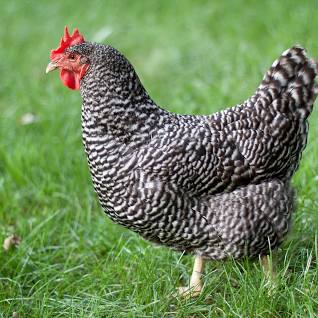
- Australorp: This breed is known for laying large, brown eggs and is very calm and easy to handle. They also do well in both hot and cold weather, making them a great choice for any climate. Recognized as blue, black or white, they produce an average of 260 eggs per year.

- Orpington: This breed is a great choice if you want a chicken that lays large, brown eggs and is also great for meat. They have a friendly personalities and are known for being easy to care for. Recognized as blue, black, buff, or white, they produce an average of 220 eggs per year.

- Wyandotte: This breed is known for its beautiful feathering, which includes silver, gold, blue or red laced patterns, are very docile, and are a bit aloof. They lay large, brown eggs and are also good foragers. They produce an average of 210 eggs per year.

- Easter Egger: This breed is known for laying large eggs in a range of colors, from blue and green to pink and brown. They’re also very friendly and easy to care for. Their feathers can be colored as white, black, brown, or mixed. They produce an average of 240 eggs per year.

- Marans: This breed is known for laying dark brown or chocolate-colored eggs and is a bit more independent than other breeds. They’re good foragers and are also great for meat production. There are nine recognized feather color variations, including birchen, blue, and brown feathers. Mostly black or dark-hued, they produce an average of 190 eggs per year.

- Hamburg: This breed is known for its small size and high egg production. They lay white eggs and are very active and alert. They produce an average of 200 eggs per year.
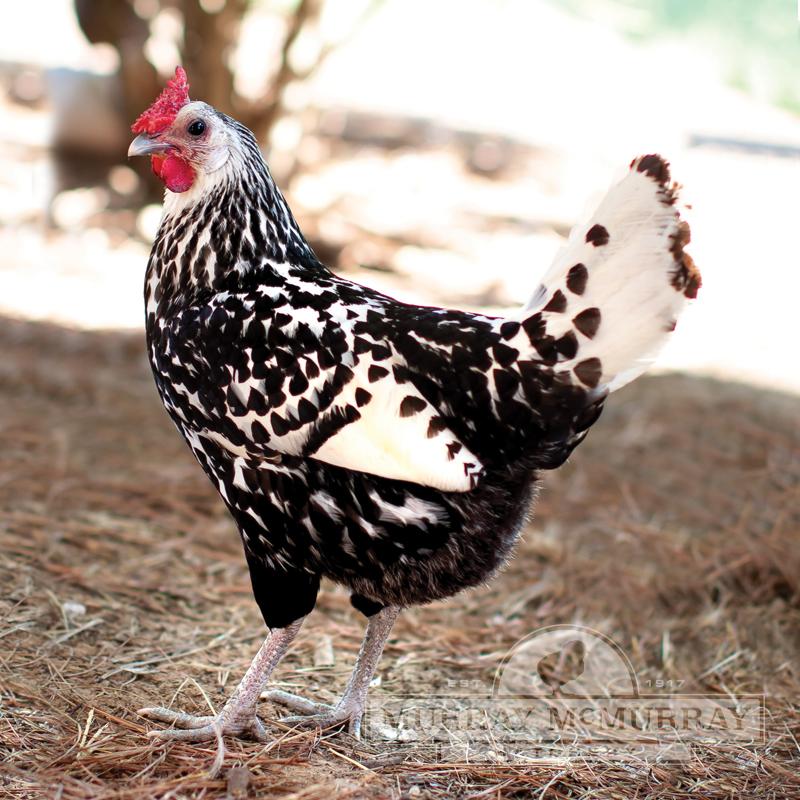
If you’re thinking about raising chickens for their eggs, you may be wondering which chicken breeds are the best layers. As someone who loves chickens, I can tell you that not all breeds are equally proficient when it comes to egg production. The following list of chickens is considered the top 10 chicken breeds known for their exceptional egg-laying abilities:
Conclusion
Raising chickens can be an incredibly fulfilling and enjoyable experience, but it also requires a significant amount of attention to detail and careful planning. The age, breed, and environment of your chickens all play a significant role in their overall health and productivity. Similarly, it’s important to choose a breed that is well-suited for your local climate and environment. By taking the time to research and understand the specific needs and requirements of each breed of chicken you’re considering, you can help to secure the overall health and well-being of the breed you choose.
However, it’s important to keep in mind that as chickens age, their egg production will naturally decline. Still, by providing them with appropriate care, nutrition, and a safe living environment, you’ll have a constant supply of fresh eggs and will develop a long-lasting and rewarding relationship with these fascinating and intelligent animals.
Subscribe now to never miss a post from Skillful Living…


 Skillful Living