Introduction
Homesteading, farming, and off-grid living are all lifestyles that require a certain level of self-sufficiency. One of the most critical components of these lifestyles is water. Ensuring that you have multiple sources of water on your property can make a significant difference in your ability to sustain your family and your livestock. In this post, we will explore the reasons why having multiple water sources is important and some of the options available to homesteaders.
The Importance of Multiple Water Sources
Water is a precious resource that is essential for life. Having multiple water sources is important for several reasons:
- Reliability: Relying on a single water source can be risky. In case of a drought, contamination, or other problems, you may find yourself without water. Having multiple sources of water increases your reliability and ensures that you will have a backup in case of an emergency.
- Quality: Different sources of water may have different qualities. Some sources may be contaminated or have high levels of minerals. By having multiple sources of water, you can choose the source that is best suited for your needs.
- Diversity: Having multiple sources of water provides you with a range of options for different purposes. For example, you may use one source for drinking water, another for irrigation, and another for your animals.
- Resilience: Having multiple water sources is important for building resilience. In case of an emergency, having access to multiple sources of water can help you survive until help arrives.
Options for Multiple Water Sources
There are several options available for homesteaders who want to ensure that they have multiple sources of water on their property:
Wells
Wells are a common option for homesteaders who need a reliable and independent source of water. Wells are typically drilled deep into the ground to access underground aquifers or other sources of water. Depending on the location and geology of your property, you may need to drill a deep well to access water. However, shallow wells may also be an option in some cases.
There are several benefits of using a well as a water source on your homestead. Wells provide a reliable and independent source of water that is not subject to interruptions in the supply of municipal water. With a well, you can be sure that you will have water available whenever you need it.
However, there are also some potential drawbacks to consider when using a well as a water source. One of the most significant concerns is the quality of the water. Depending on the geology of your property, the water in your well may contain high levels of minerals or other contaminants. Therefore, it is important to have your well water tested by a certified laboratory to ensure that it is safe for drinking and meets your needs.
If the water quality is not up to par, it is possible to install various water treatment systems to ensure that the water is suitable for your needs. There are several types of water treatment systems available, including filtration, chlorination, and UV treatment. The appropriate system will depend on the quality of the water and your specific needs.
Another potential drawback of wells is that they can be expensive to install and maintain. The cost of drilling a well can vary significantly depending on the depth required and the geology of the area. Additionally, wells require regular maintenance to ensure that they continue to function properly.
Lastly, if the power goes out so does your well pump. For times like these we suggest alternatives to a commercial power supply, such as solar power, portable generator connection or a hand pump. A solar power kit for wells can be purchased from places like Amazon.com and installed by the home owner (https://amzn.to/409Ps4k). The same can be said for installing a hand pump for your well (https://www.bisonpumps.com/). The folks at Bison will build your hand pump to the specifications of your well, so you know you’re getting the right product.
Overall, wells are a popular option for homesteaders who need a reliable and independent source of water. While there are some potential drawbacks to using a well as a water source, the benefits often outweigh the costs. By testing the water quality and installing appropriate treatment systems, you can ensure that the water from your well is safe and meets your needs.
Natural Springs
Springs are a natural source of water that can provide a reliable and sustainable source of water on your homestead. A spring is formed when water from underground aquifers or other sources is pushed up to the surface through natural pressure. The water from a spring is often cold and clean, making it a popular choice for drinking and other uses.
One of the primary benefits of using a spring as a water source is that it is a sustainable and independent source of water. Springs are often fed by underground aquifers that are replenished by rainfall, which means that the water supply is typically reliable and consistent. This can be especially important in areas where water resources may be limited.
However, there are also some potential disadvantages to using a spring as a water source. Like a well, one of the primary concerns is the quality of the water. While spring water is often clean and pure, it can also be contaminated by pollutants or other sources of contamination that have found their way into the ground. Therefore, it is important to have your spring water tested to ensure that it is safe for your specific needs.If the water quality is not up to par, it is possible to install similar systems to those mentioned above.
Another potential drawback of springs is that they can be difficult to access and maintain. Depending on the location and geology of your property, it may be challenging to locate and access the spring. Additionally, springs require regular maintenance to ensure that the water supply remains consistent and the quality of the water remains high.
Generally speaking, springs are a sustainable and independent source of water that can provide a reliable source of water on your homestead. While there are some potential concerns to using a spring as a water source, it may be more beneficial overall. By testing the water quality and installing appropriate treatment systems, you can ensure that the water from your spring is safe and meets your needs.
Rainwater
Rainwater harvesting involves collecting rainwater from roofs, gutters, and other surfaces and storing it for later use. This is a sustainable and eco-friendly way to collect water for your homestead, and it can be a great option in areas with high rainfall.
One of the primary benefits of rainwater harvesting is that it is a sustainable and independent source of water. By collecting rainwater, you can reduce your reliance on municipal water supplies and other external sources of water. This can be especially important in areas where water resources may be limited or where water is expensive.
An additional advantage of rainwater harvesting is that it can be relatively inexpensive to set up and maintain. You can install a simple rainwater collection system using basic materials like barrels or tanks to store the collected water. This can be a cost-effective way to collect and store water for your homestead.
However, there are also some potential concerns with rainwater harvesting that need to be considered. The quality of the water is always the main concern. Rainwater can be contaminated by pollutants and other sources of contamination, such as birds, especially if it is collected from a roof or other surface. Therefore, filtration is a must for this type of water collection, and there should be a method for testing the water to ensure it meets your needs and is potable if you plan to drink it.
Another potential drawback of rainwater harvesting is that it can be limited by the amount of rainfall in your area. In areas with low rainfall, it may be challenging to collect enough water to meet your needs. Additionally, rainwater collection systems require regular maintenance to ensure that they remain functional and the quality of the water remains high.
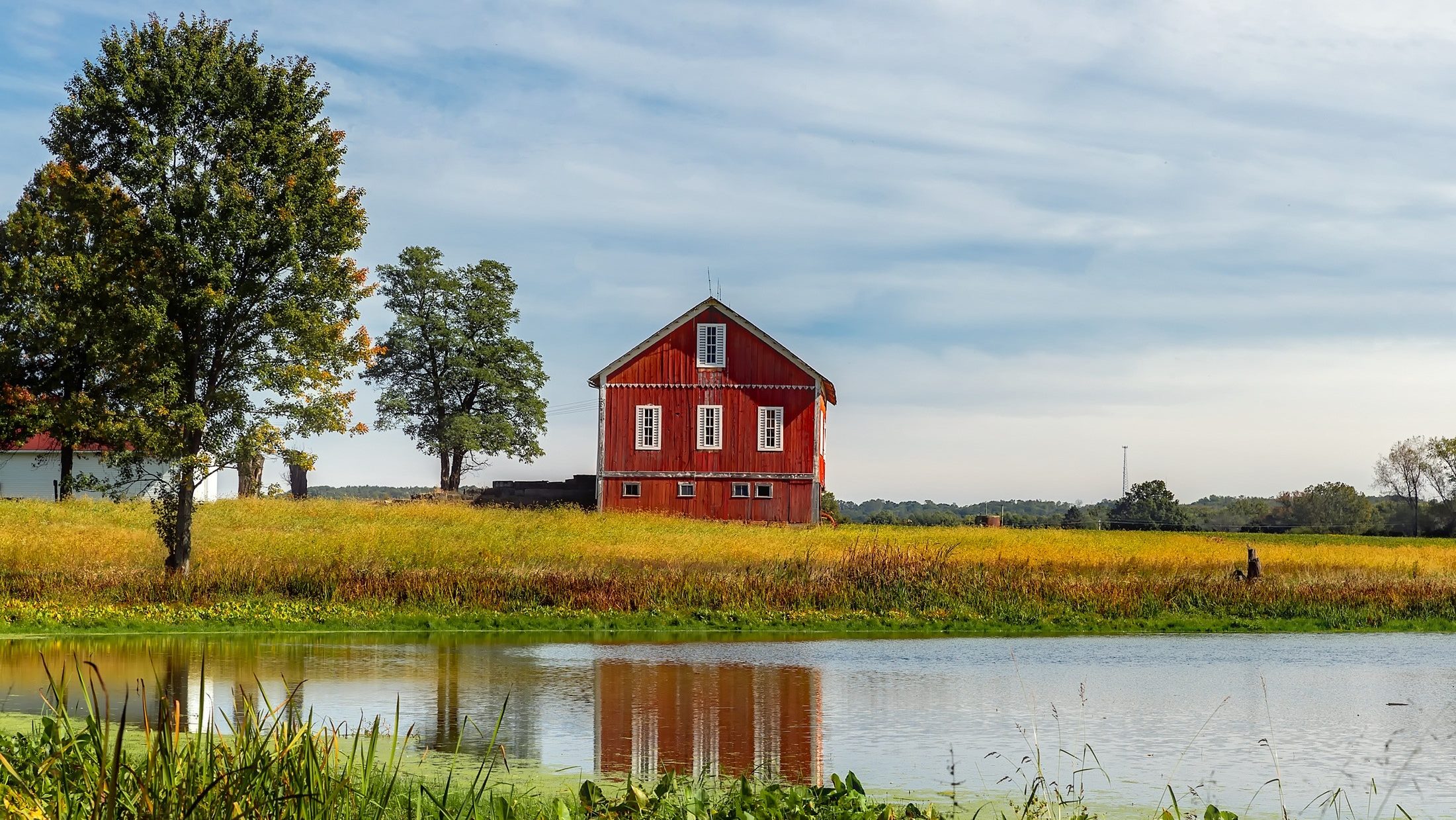
Ponds and Streams
Ponds and streams are natural sources of water that can be used as a sustainable and independent source of water on your homestead. Ponds can be created by damming up a natural spring or stream, while streams can be accessed directly for water supply. Both options can be a great choice in areas with abundant water resources.
If you have access to a natural spring or stream on your property, you can divert the water to a pond or storage tank to create a reliable source of water. This can be especially important in areas where water resources may be limited or where water is expensive.
Another benefit of using ponds and streams as a water source is that the water is often clean and pure. Natural bodies of water are typically filtered through layers of soil and rock, which can remove many impurities and contaminants. This can make pond and stream water a popular choice for drinking and other uses.
However, there are also some potential disadvantages to using ponds and streams as a water source. While natural bodies of water are often clean and pure, they can also be contaminated by pollutants or other sources of contamination. Therefore, it is important to have your pond or stream water tested by a certified laboratory to ensure that it is safe for drinking and meets your needs or to determine if water treatment will be needed.
Another potential drawback of using ponds and streams as a water source is that they can be affected by weather and climate. In areas with drought or low rainfall, the water supply may be limited, which can make it difficult to rely on ponds and streams as a consistent water source. Additionally, ponds and streams may be affected by runoff from nearby agricultural fields or other sources of pollution.
Municipal Water Supply
A municipal water supply is a public water system that provides water to homes, businesses, and other buildings within a specific area. Municipal water supplies are often supplied by a network of pipes that distribute water from a central treatment facility or water source.
One of the primary benefits of using a municipal water supply is that it is often a reliable and consistent source of water. Municipal water supplies are typically regulated and monitored by local government agencies to ensure that the water is safe for drinking and meets certain quality standards. this water supply is often treated to remove impurities and contaminants through a combination of physical, chemical, and biological processes to treat the water and remove contaminants such as bacteria, viruses, and chemicals.
One of the downsides of this type of water supply is that it can be expensive. Municipal water systems often charge a fee based on usage, and the cost of water can vary depending on the location and the quality of the water. Additionally, some homeowners may not want to rely on a public water system and prefer to have a more independent source of water.
Another potential concern of using a municipal water supply is that the water may contain additives such as chlorine and fluoride. While these additives are generally considered safe for drinking, some people may prefer to avoid them for personal reasons.
Overall, using a municipal water supply can be a convenient and reliable option for obtaining water on your homestead. However, it is important to consider the potential costs and drawbacks associated with using a public water system. If you decide to use a municipal water supply, it is important to monitor the quality of the water and ensure that it meets your needs. Additionally, it may be worthwhile to explore other water sources to provide a backup in case of emergencies or service disruptions.
Conclusion
Ensuring that you have multiple sources of water on your property is important for homesteaders, farmers, and anyone wanting to go off-grid. By diversifying your water sources, you can increase your reliability, quality, and resilience and it should be one of your primary concerns when purchasing land to homestead. Of the options mentioned above, including wells, springs, rainwater harvesting, ponds and streams, and municipal water supplies, all of them should be considered, depending on their availability and your individual situation. By considering your needs and the characteristics of your property, you can choose the water sources that are best suited for your lifestyle.
Subscribe now to never miss a post from Skillful Living…


 Skillful Living