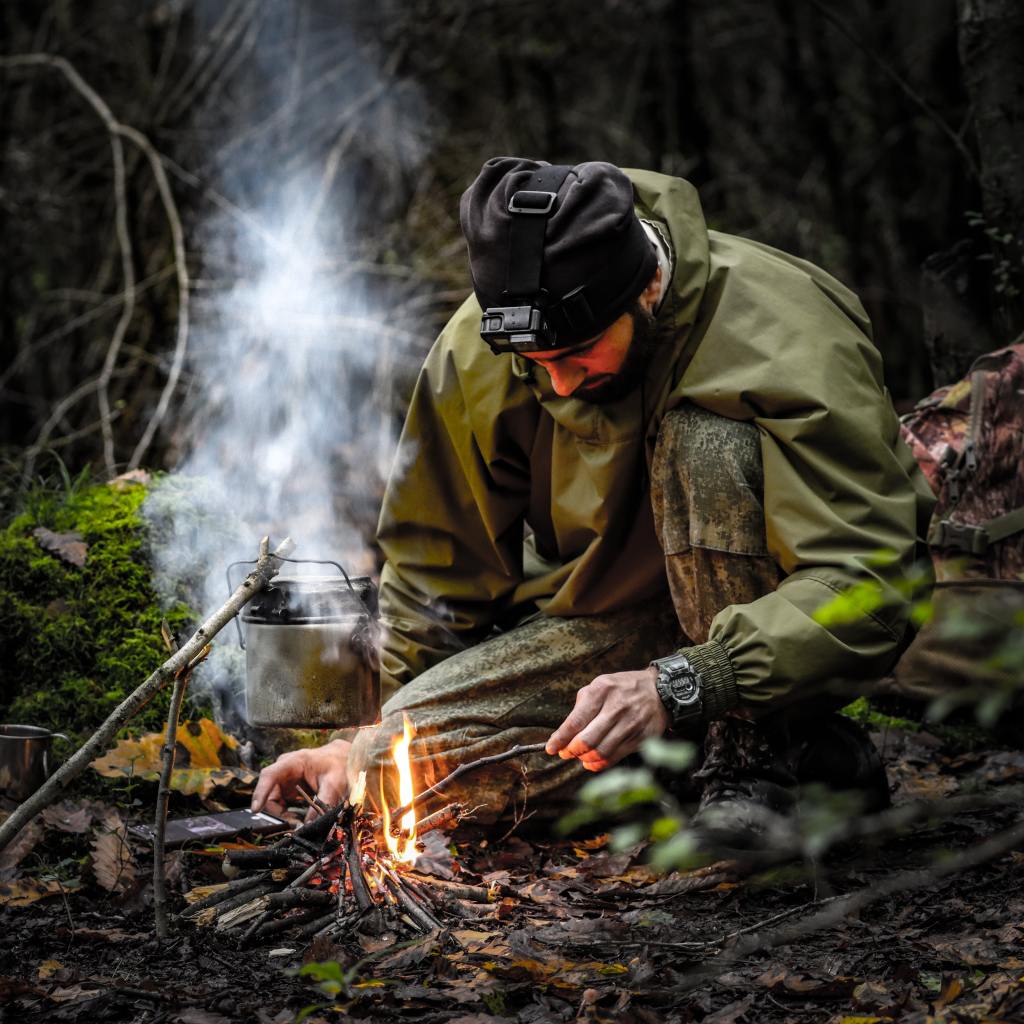
Introduction
As human beings, we take many things for granted in our daily lives, including the basic necessities of air, water, food, and shelter. But in emergency situations, these necessities become critical for our survival. That’s where the Rule of 3’s comes in – a basic guideline for how long you can survive without these necessities.
This rule is particularly useful in situations where you may be stranded or lost, without access to basic resources. Understanding the Rule of 3’s can help you prioritize your actions in a survival situation, and potentially save your life.
So, what exactly is the Rule of 3’s?
The Rule of 3’s states that:
- You can live for 3 minutes without air or in icy conditions
- You can live for 3 hours in harsh environments
- You can live for 3 days without water
- You can live for 3 weeks without food
Let’s take a closer look at each of these guidelines and what they mean for your survival.
3 Minutes without Air
Air is essential for human survival – we can’t live without it for more than a few minutes. In an emergency situation, the availability of air can be compromised, either due to a lack of oxygen or exposure to toxic gases.
If you find yourself in a situation where you’re struggling to breathe, it’s important to act quickly. This may involve finding a source of fresh air, such as opening a window or moving to a higher elevation, or using a breathing apparatus if one is available. In any event, maintaining a clear, open/patent airway is your number one priority.
In icy conditions, the 3-minute guideline is particularly relevant. Exposure to cold air can lead to hypothermia, which can quickly become life-threatening. In extreme cold, it’s essential to find shelter and warm clothing as soon as possible.
3 Hours in Harsh Environments
Harsh environments can take many forms, from extreme heat to freezing cold, high altitudes, or rough terrain. In these conditions, it’s essential to find shelter and protect yourself from the elements as soon as possible.
In extreme heat, for example, the body can quickly become dehydrated and overheat, leading to heat exhaustion or heat stroke. In these conditions, it’s important to find shade, stay hydrated, and cool down your body by wetting your skin or clothes.
In cold environments, hypothermia can quickly set in if you’re not properly protected. This is why it’s important to wear warm, insulating clothing, and find shelter as soon as possible. If you’re stranded in a snowstorm, for example, it’s important to build a snow shelter or find a natural shelter, such as a cave.
3 Days without Water
The third part of the Rule of 3’s emphasizes the importance of finding a safe source of water. Water is essential for human survival – we can’t live without it for more than a few days, and drinking contaminated water can cause serious illness and potentially death.
Therefore, once you have found a water source, it’s important to purify it to remove any harmful contaminants. This can be accomplished through boiling, which kills bacteria and viruses, or through filtering or chemical treatment. When looking for water, it’s important to prioritize sources such as rivers, streams, or lakes. You can also collect rainwater or condensation from plants.
Dehydration can set in quickly if you don’t have access to water, leading to symptoms such as headaches, dizziness, and fatigue. In extreme cases, dehydration can lead to organ failure and death. This is why it’s essential to prioritize finding water in a survival situation.
3 Weeks without Food
The Rule of 3’s dictates that finding food should be your last priority, since you can survive without it for up to 3 weeks. However, it’s not advisable to go without food for extended periods of time. Instead, you should prioritize finding good sources of nutrition whenever possible. Knowing how to forage for wild edibles, hunt or fish, and prepare them for consumption can help you stay nourished and healthy.
Finding food in the wild can be challenging, but it’s possible with the right knowledge and skills. When looking for wild edibles, it’s extremely important to know which plants are safe to eat and how to prepare them. Some common edible plants include dandelion, wild berries, and cattails. However, you should avoid any plants that you’re not sure about because some can be toxic and cause illness or even death.
If you plan to hunt or fish for food, it’s important to have the proper equipment and know-how to safely and effectively catch and prepare your food. This can involve using traps, snares, or hunting and fishing equipment, if you’re fortunate enough to have them with you. This may sound outlandish for a survival situation, but fully equipped hunters get lost all the time.
It’s also important to understand how to properly prepare your food for consumption, which can involve cooking, smoking, or drying it to preserve it for longer periods. This can help prevent the risk of illness from consuming raw or improperly prepared food. Of course, choosing which way to prepare your food will always be situation dependent. For example, should you go ahead and cook the food for consumption right now or should you smoke it so it’s still editable days later?
Going without food for extended periods can have severe consequences, such as malnutrition, weakness, and impaired cognitive function. In a survival situation, it’s important to maintain your energy levels by consuming small amounts of food regularly. Even a handful of pine nuts or a piece of wild fruit can help keep your energy levels up.
Preparing for a Wilderness Emergency
While it’s impossible to predict when a survival situation may occur, there are steps you can take to prepare for such an event. Here are some tips to keep in mind:
- Educate yourself: Knowledge is power when it comes to wilderness survival. Take courses or read books on survival techniques and wilderness first aid to prepare yourself for potential emergencies. For example, learn to build a fire in both dry and wet conditions. Learn to tie various knots to construct weapons or shelters. Practice land navigation. Take a first aid class. Know how to procure, filter and purify water.
- Pack essentials: Always carry essential items such as a good fixed-blade camp knife, a map of the area you’re visiting, a compass, flashlight with extra batteries, a lighter/fire strike and tinder, some rope or paracord and a first-aid kit. You should also carry enough water and food to sustain yourself for at least a day, as well as appropriate clothing and shelter, such as rain gear, a jacket/coat, toboggan, gloves, a sleeping bag, and a small tent or tarp in a backpack. Moreover, bring a fully charged cell phone. Though it’s impossible to predict if and when you’ll have cell service, you may get enough to send a single, solitary text message to get help.
- Communicate your plans: Always let someone know where you are going and when you plan to return. This can help rescue teams locate you in the event of an emergency.
- Stay calm: In any survival situation, staying calm and maintaining a positive attitude can help you make better decisions and increase your chances of survival.
Conclusion
The Rule of 3’s is a basic guideline for survival in emergency situations. While it’s not a hard and fast rule, understanding these guidelines can help you prioritize your actions and potentially save your life.
Remember, in any survival situation, it’s important to stay calm and think clearly. Panic and stress can impair your judgment and make it harder to survive. By understanding the Rule of 3’s and taking action to prioritize your basic needs, you can increase your chances of survival in even the most challenging circumstances.
Subscribe now to never miss a post from Skillful Living…


 Skillful Living