Introduction
Growing your own vegetables can be an incredibly satisfying and fulfilling activity. It not only allows you to have control over how your produce is grown, but also promotes a healthier lifestyle and a more self-sufficient way of living. Whether you’re a seasoned gardener or just starting out, it’s important to choose the right vegetables to grow in your garden. In this post, I will share with you the 10 most popular vegetables for gardening, as well as the type of soil each one needs, step-by-step methods to grow, harvest methods, and storage options for each. Additionally, I will discuss companion planting, which can help save space and improve the taste of your vegetables. By following these tips and techniques, you can create a thriving garden that will provide you with delicious and nutritious produce for years to come.
So let’s get started and discover how you can grow your own fresh vegetables right at home.
Vegetables (and one legume)
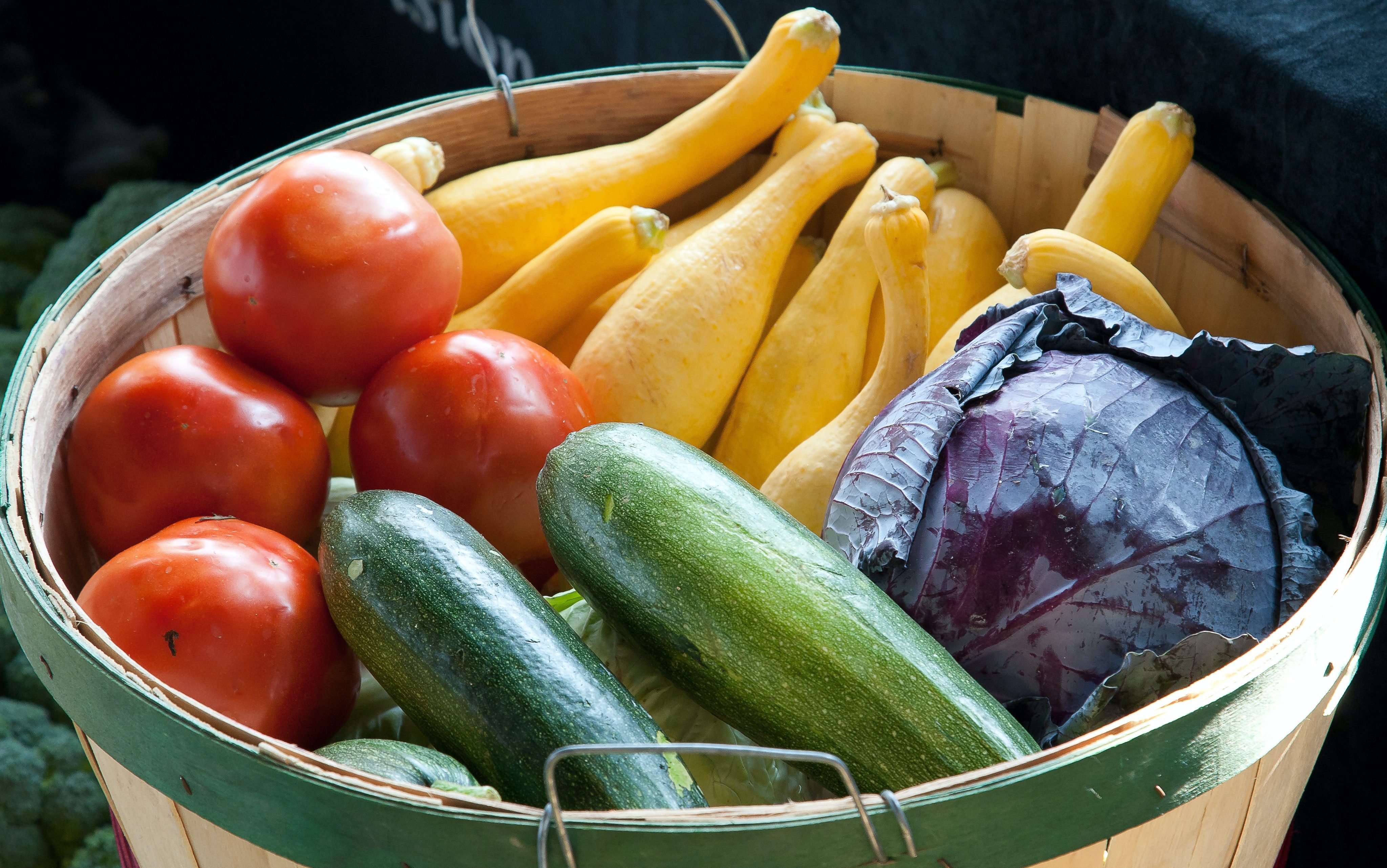
- Tomatoes
Type of soil: Well-drained, nutrient-rich soil with a pH between 6.0 and 6.8.
Step-by-step methods to grow:
- Start tomato seeds indoors 6-8 weeks before the last expected frost.
- Transplant seedlings into the garden after the last expected frost.
- Water consistently and deeply to keep the soil moist.
- Fertilize with a balanced fertilizer every 2-3 weeks.
- Provide support with stakes or tomato cages for the plants as they grow.
Harvest method: Pick tomatoes when they are fully ripened, red and firm.
Storage options: Store ripened tomatoes at room temperature away from direct sunlight or in the refrigerator for up to a week. Be aware, storing tomatoes in the refrigerator will decrease their flavor.
- Peppers
Type of soil: Well-drained, nutrient-rich soil with a pH between 6.0 and 7.0.
Step-by-step methods to grow:
- Start pepper seeds indoors 8-10 weeks before the last expected frost.
- Transplant seedlings into the garden after the last expected frost.
- Water consistently and deeply to keep the soil moist.
- Fertilize with a balanced fertilizer every 2-3 weeks.
- Provide support for the plants as they grow.
Harvest method: Pick peppers when they are mature and have reached their full color.
Storage options: Store peppers in the refrigerator for up to a week.
- Corn
Type of soil: Well-drained soil with a pH between 5.5 and 7.5.
Step-by-step methods to grow:
- Plant corn seeds directly in the garden after the last expected frost.
- Water consistently and deeply to keep the soil moist.
- Fertilize with a nitrogen-rich fertilizer at planting and again when the plants are knee-high.
- Provide support for tall corn varieties.
Harvest method: Pick corn when the ears are filled out and the silks have turned brown.
Storage options: Store corn in the refrigerator for up to a week.
- Bush beans (technically a legume, but more frequently categorized with vegetables)
Type of soil: Well-drained soil with a pH between 6.0 and 7.0.
Step-by-step methods to grow:
- Plant bush bean seeds directly in the garden after the last expected frost.
- Water consistently and deeply to keep the soil moist.
- Fertilize with a balanced fertilizer every 2-3 weeks.
- Provide support for pole bean varieties.
Harvest method: Pick beans when they are young and tender.
Storage options: Store beans in the refrigerator for up to a week.
- Squash
Type of soil: Well-drained soil with a pH between 6.0 and 7.0.
Step-by-step methods to grow:
- Plant squash seeds directly in the garden after the last expected frost.
- Water consistently and deeply to keep the soil moist.
- Fertilize with a balanced fertilizer every 2-3 weeks.
- Provide support for the plants as they grow.
Harvest method: Pick squash when they are 6-8 inches long.
Storage options: Store squash in the refrigerator for up to a week.
- Onions
Type of soil: Well-drained soil with a pH between 6.0 and 7.0.
Step-by-step methods to grow:
- Plant onion sets or seeds directly in the garden in early spring.
- Water consistently and deeply to keep the soil moist.
- Fertilize with a balanced fertilizer every 2-3 weeks.
Harvest method: Pull onions when the tops have wilted and turned brown.
Storage options: Store onions in a cool, dry place for up to 2-3 months.
- Lettuce
Type of soil: Well-drained soil with a pH between 6.0 and 7.0.
Step-by-step methods to grow:
- Plant lettuce seeds directly in the garden in early spring or late summer.
- Keep soil moist but not waterlogged.
- Fertilize with a balanced fertilizer every 2-3 weeks.
- Provide shade for the plants during the hottest part of the day.
Harvest method: Pick lettuce when the leaves are full-sized but before the plant bolts and goes to seed (before they start to flower).
Storage options: Store lettuce in the refrigerator for up to a week.
- Carrots
Type of soil: Loose, well-drained soil with a pH between 5.5 and 6.8.
Step-by-step methods to grow:
- Plant carrot seeds directly in the garden 2-3 weeks before the last expected frost.
- Water consistently and deeply to keep the soil moist.
- Thin seedlings to about 2 inches apart.
- Fertilize with a balanced fertilizer every 2-3 weeks.
Harvest method: Pull carrots when they are mature but still tender.
Storage options: Store carrots in a cool, moist place such as a refrigerator for up to a month.
- Green beans
Type of soil: Well-drained soil with a pH between 6.0 and 7.0.
Step-by-step methods to grow:
- Plant green bean seeds directly in the garden after the last expected frost.
- Water consistently and deeply to keep the soil moist.
- Fertilize with a balanced fertilizer every 2-3 weeks.
- Provide support for pole bean varieties.
Harvest method: Pick beans when they are young and tender.
Storage options: Store beans in the refrigerator for up to a week.
- Cucumbers
Type of soil: Well-drained soil with a pH between 6.0 and 7.0.
Step-by-step methods to grow:
- Plant cucumber seeds directly in the garden after the last expected frost.
- Water consistently and deeply to keep the soil moist.
- Fertilize with a balanced fertilizer every 2-3 weeks.
- Provide support for the plants as they grow.
Harvest method: Pick cucumbers when they are fully grown but still firm.
Storage options: Store cucumbers in the refrigerator for up to a week.
Companion Planting
To save space, improve taste, and naturally battle pests, certain vegetables can be grown together. This is known as companion planting. Here are some examples of vegetables that can be grown together:
- Tomatoes and basil: Basil repels tomato hornworms and enhances the flavor of tomatoes.
- Green peppers and onions: Onions deter aphids and other pests from attacking pepper plants.
- Corn, beans, and squash: These three crops are often grown together in a traditional Native American planting technique called the Three Sisters. The corn provides a structure for the beans to climb, and the beans add nitrogen to the soil. The squash acts as a living mulch, shading the soil and suppressing weeds.
- Lettuce and carrots: Lettuce and carrots have shallow roots, so they can be grown together without competing for nutrients.
- Green beans and cucumbers: Cucumbers provide a natural trellis for the beans to climb, and the two plants do not compete for nutrients.
When planning a garden, it’s important to consider which vegetables are compatible and which are not. By planting compatible vegetables together, you can improve the health and yield of your crops.
Conclusion
Growing your own vegetables is not only a rewarding and fulfilling hobby, but it also offers numerous benefits for your health, well-being, and self-sufficiency. By following the tips and techniques to grow the 10 vegetables outlined in this post, you can successfully cultivate a thriving and sustainable garden that yields delicious and nutritious produce every season. Remember, for growing any vegetable, always choose the right vegetables for your soil type, provide proper care and maintenance, and harvest your crops at the right time to ensure optimal taste and nutrition. Additionally, don’t forget that companion planting is a great way to maximize space, enhance the taste and improve the overall health of your crops. So what are you waiting for? Start your gardening journey today and enjoy the fruits of your labor!
Subscribe now to never miss a post from Skillful Living…


 Skillful Living