Introduction
Welcome to this guide on tracking animals, where we will delve into the process of identifying and following the tracks of various animals. As a homesteader, tracking can be a valuable skill for supplementing income through hunting and providing food for the family. Tracking animals, for yourself or others, is a centuries-old practice that requires patience, observation, and skill, and can be a rewarding and sustainable way to live off the land.
Throughout this post, we will explore the different methods and techniques used in tracking animals, the signs and clues to look for, and how to identify different animal species based on their tracks. We will also discuss the success rates of tracking animals, as well as how this skill can be used to supplement profits on the homestead.
Whether you are a beginner or an experienced tracker, this guide will provide you with the basic knowledge and understanding to track and hunt various animals in a responsible and sustainable manner. So let’s dive in and explore the exciting world of animal tracking!
Methods
Tracking animals is a valuable skill for any homesteader. It can supplement your profits or food sources through hunting and provide insight into the habits and movements of local wildlife. Whether you’re an experienced tracker or just starting out, there are several processes and methods for tracking animals that can help you hone your skills and improve your chances of success.
Hunters, Wildlife Conservation Officers and Landowners
As part of your preparations for tracking and finding animals, it can be helpful to talk with hunters, Wildlife Conservation Officers and local landowners about the activity they have seen in the area. These individuals can provide valuable insights into the animal behavior, activity patterns, and preferred locations, as well as potential hazards or challenges to watch out for. Hunters, in particular, can provide valuable information about animal behavior and preferred locations, due to their firsthand experience in tracking and hunting animals. Wildlife Conservation Officers can provide information about the types of animals in the area, as well as any legal requirements or regulations that need to be followed when tracking or hunting. By talking with these individuals, you can gain a better understanding of the area and increase your chances of success when tracking animals. However, it’s important to remember to be respectful of others’ experiences and follow any regulations or guidelines they provide.
Another way to gain valuable information is to talk to the local biologist assigned to the area. They can provide detailed information about the specific species of animals in the area, including their behavior, habitat preferences, and natural history. This information can help you better understand the animals you are tracking, as well as their interactions with other animals and their environment. The local biologist can also provide information about any potential hazards or challenges to watch out for, such as predators or environmental factors that may affect the animals’ movements. Additionally, they may be able to provide information about any ongoing research or monitoring efforts in the area, which can provide valuable insights into the animals’ activity patterns and behavior. By consulting with a local biologist, you can gain a deeper understanding of the ecology and biology of the area, and increase your chances of success when tracking animals.
Maps/Aerial Photos
One thing that can be helpful in your preparations is to use a topographic map and/or aerial photos of the area you plan to search to help identify different land features. By using these tools, you can locate features such as water sources, ridges, and valleys, which can be essential in predicting animal movement patterns. For example, water sources are essential for all animals, so it’s important to identify these areas as potential locations for tracking. Similarly, ridges and valleys can be important natural features that animals use to move from one area to another. By identifying these features on a map or aerial photo, you can plan your scouting accordingly and increase your chances of finding fresh signs of activity. However, it’s important to remember that maps and aerial photos are not always up-to-date and that on-site scouting and observation is also necessary. Additionally, always ensure to obtain any necessary permits or licenses before scouting or hunting in a particular area.
Trail Cameras
Identifying potential areas with trail cameras is another effective way to track animals. Trail cameras are designed to capture photos or videos of animals that pass by their sensors, providing valuable information about the activity of a certain area. When using trail cameras, it’s important to place the cameras in areas where animal activity is likely to occur, such as game trails, feeding areas, or watering holes. By reviewing the footage from the cameras, you can identify the types of animals in the area, their movements and patterns of activity. Trail cameras can also help identify peak activity times, which can be helpful in planning your scouting and hunting trips. It’s important to note that trail cameras can be expensive, depending on the models you choose, so it’s important to take proper care of them and secure them against theft or damage.
Method 1: Scouting
Scouting is the first step in tracking animals, because it allows you to identify areas where animals are likely to be found. When scouting, look for tracks, scat (feces), and other signs of animal activity, such as broken branches or trails through the underbrush. Pay attention to the time of day and weather conditions, because these can affect animal behavior and movement patterns.
To scout effectively, start by selecting an area to explore, such as a nearby forest or meadow. Look for areas with thick underbrush, because these can provide cover for animals, and check the edges of fields and water sources, because these are often used by animals for feeding and drinking.
Once you’ve identified an area to scout, walk slowly and quietly, scanning the ground for tracks and other signs of animal activity. Take your time. Look for tracks that are fresh and well-defined, as these are more likely to lead to a recent sighting.
Method 2: Tracking
Tracking is the process of following an animal’s trail, using signs such as tracks, scat, and broken branches to determine its direction of travel. To track an animal, start by identifying its tracks and noting the direction it is headed. Look for additional signs along the trail, such as scat or broken branches, to confirm the animal’s path.
As you track the animal, pay attention to the type of tracks it is leaving, as different animals have distinct tracks. For example, deer tracks are pointed and elongated, with a distinctive “heart-shaped” imprint, while raccoon tracks are more rounded and have distinct claw marks.
When tracking an animal, it’s important to move slowly and quietly, as any noise or sudden movements can startle the animal and cause it to flee. Try to stay downwind of the animal, as this will help mask your scent and prevent it from detecting your presence.
Method 3: Still Hunting
Still hunting involves moving slowly and quietly through an area, scanning for signs of animal activity and waiting for an opportunity to take a shot. To still hunt effectively, start by identifying an area where animals are likely to be found, such as a game trail or a feeding area.
Move slowly through the area, scanning the ground for tracks and other signs of animal activity. If you spot an animal, move slowly and quietly to get into position for a shot. Be patient, as it may take some time for an opportunity to present itself.
When still hunting, it’s important to remain alert and focused, as animals can appear suddenly and without warning. Look for movement or other signs of animal activity, such as the rustling of leaves or the sound of breaking twigs.
Identifying Different Animals
To track animals effectively, it’s important to be able to identify different species and their tracks. Here are some common animals you may encounter while tracking:
Deer
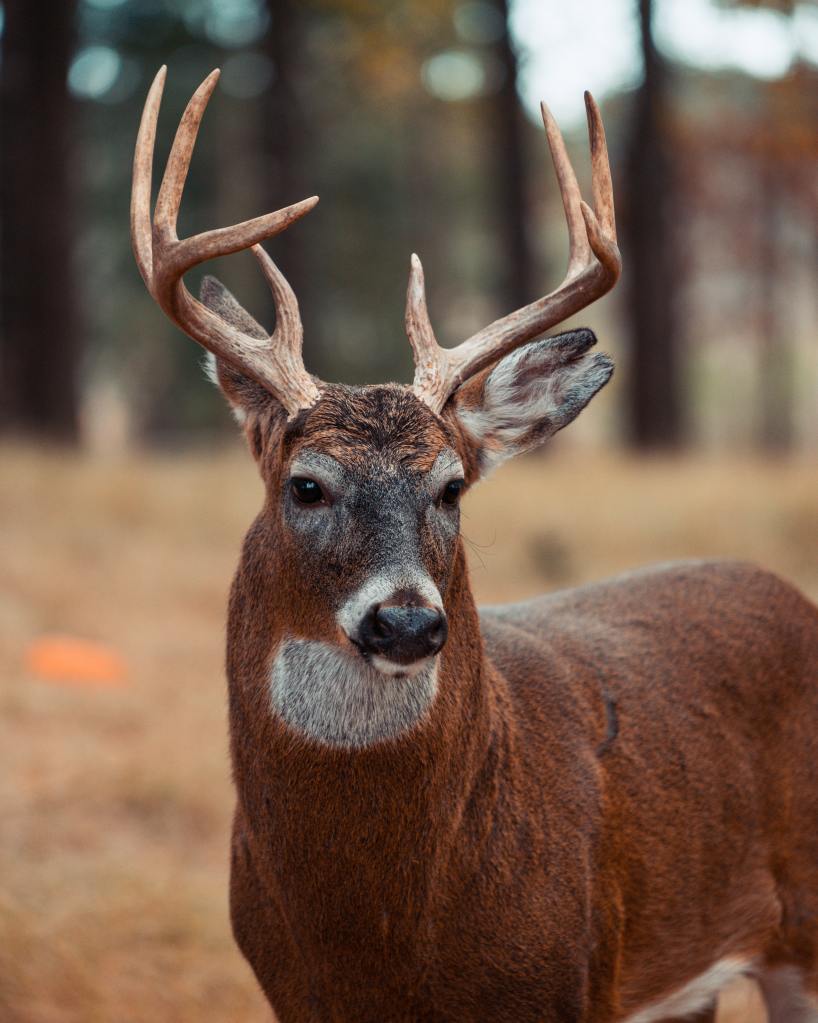
Deer are a popular game animal that can be found throughout much of the world. When tracking deer, there are several signs to look for:
- Tracks: Deer tracks are distinct, with two elongated points at the top that resemble a heart shape. Look for tracks in soft soil or mud, and pay attention to the direction of travel.
- Scat: Deer scat is usually small, round pellets. It can be found in concentrated areas, known as deer yards, where deer spend time during the winter months.
- Rubs: Bucks will rub their antlers against trees or other objects to remove velvet and mark their territory. Look for areas where bark has been rubbed off or where branches have been broken.
- Scrapes: Bucks will create scrapes by pawing the ground and urinating to mark their territory and attract does. Look for areas with bare soil or broken branches near overhanging limbs.
- Beds: Deer will bed down in areas with cover, such as tall grass, bushes, or fallen trees. Look for areas with flattened vegetation and nearby food sources.
To improve your chances of tracking deer, consider using a map or aerial photo to identify potential areas where deer may be present, such as along ridges, near water sources, or in areas with good cover. Additionally, it’s important to be aware of the time of day and weather conditions, as deer are most active during the early morning and late afternoon hours and tend to bed down during the hottest part of the day.
Raccoons
Raccoons are a common nocturnal animal found throughout much of North America. When tracking raccoons, there are several signs to look for:
- Tracks: Raccoon tracks are distinctive, with five toes and a palm-like pad with a distinctive heel. Look for tracks in soft soil or mud, and pay attention to the direction of travel.
- Scat: Raccoon scat is usually tubular and dark in color, with a strong odor. It may be found near feeding areas, such as fruit trees or trash cans.
- Trails: Raccoons will often follow the same paths or trails when traveling between their den and feeding areas. Look for areas with flattened vegetation or distinct paths through the underbrush.
- Dens: Raccoons will create dens in a variety of locations, such as hollow trees, under buildings, or in rock crevices. Look for areas with visible raccoon trails or tracks leading to or from the den.
- Food sources: Raccoons are opportunistic feeders and will eat a variety of foods, such as fruits, nuts, insects, and small animals. Look for areas with evidence of feeding, such as damaged fruit trees or overturned trash cans.
To improve your chances of tracking raccoons, consider using a map or aerial photo to identify potential areas where raccoons may be present, such as near water sources, forests, or residential areas with fruit trees. Additionally, it’s important to be aware of the time of day and weather conditions, as raccoons are most active at night and tend to bed down during the day.
Coyotes
Coyotes are a common predator found throughout North America, and tracking them can be challenging because they are both stealthy and adaptable. Here are some signs to look for when tracking coyotes:
- Tracks: Coyote tracks are similar to those of a domestic dog, but they are typically more elongated and slender. Look for tracks in soft soil or mud, and pay attention to the direction of travel.
- Scat: Coyote scat is often found in the center of trails or in open areas. It is usually tubular and can be up to 4 inches in length.
- Trails: Coyotes will often follow the same paths or trails when traveling between their den and hunting areas. Look for areas with flattened vegetation or distinct paths through the underbrush.
- Howls and calls: Coyotes are known for their distinctive howls and calls, which can often be heard at night. Listen for these sounds when scouting or hunting for coyotes.
- Food sources: Coyotes are opportunistic predators and will eat a variety of foods, including small mammals, birds, and carrion. Look for areas with evidence of feeding, such as bone fragments or fur.
When scouting for coyotes, it can be helpful to use a map or aerial photo to identify potential areas where coyotes may be present, such as open fields or brushy areas near water sources. Additionally, it’s important to be aware of the time of day and weather conditions, as coyotes are most active at night and during twilight hours.
Fox
Foxes are a small and elusive animal, making them a challenge to track. However, there are several signs to look for when tracking foxes:
- Tracks: Fox tracks are small and narrow, with four toes and a triangular pad at the bottom. Look for tracks in soft soil or snow, and pay attention to the spacing between tracks.
- Scat: Fox scat is usually small and cylindrical, similar in appearance to cat feces. It may be found near dens or in areas where foxes have been feeding.
- Dens: Foxes will create dens in areas with good cover, such as in rock crevices, under buildings, or in hollow trees. Look for areas with visible fox trails or tracks leading to or from the den.
- Kill sites: Foxes are opportunistic predators and will hunt a variety of small animals, such as mice, rabbits, and birds. Look for areas with signs of a struggle, such as scattered feathers or fur, or blood stains.
- Scent marking: Foxes will mark their territory with urine and feces, as well as by rubbing their scent glands on objects. Look for areas with a strong odor, or where vegetation has been marked or scraped.
To improve your chances of tracking foxes, consider using a map or aerial photo to identify potential areas where foxes may be present, such as near fields, forests, or wetlands. Additionally, it’s important to be aware of the time of day and weather conditions, as foxes are most active during the early morning and late afternoon hours and tend to bed down during the hottest part of the day.
They are typically found in wooded areas and are most active during early morning and late evening.
Bobcat
Bobcats are elusive animals that are found throughout North America. Here are some signs to look for when tracking bobcats:
- Tracks: Bobcat tracks are similar in size to a house cat, but they have a distinctive “M” shaped pad at the bottom of their feet. Look for tracks in soft soil or mud, and pay attention to the direction of travel.
- Scat: Bobcat scat is often found along trails or near den sites. It is typically cylindrical and has a segmented appearance.
- Trails: Bobcats will often follow the same paths or trails when traveling between their den and hunting areas. Look for areas with flattened vegetation or distinct paths through the underbrush.
- Scratch marks: Bobcats will often scratch at trees or other objects to mark their territory. Look for areas with claw marks on trees or logs.
- Prey remains: Bobcats are carnivorous and will eat a variety of prey, including small mammals, birds, and reptiles. Look for areas with evidence of feeding, such as bone fragments or fur.
When scouting for bobcats, it can be helpful to use a map or aerial photo to identify potential areas where bobcats may be present, such as rocky outcroppings or areas with dense underbrush. Additionally, it’s important to be aware of the time of day and weather conditions, as bobcats are most active at night and during twilight hours.
Bear
Tracking bears can be a challenging and potentially dangerous task, so it’s important to approach it with caution and appropriate safety measures. Here are some signs to look for when tracking bears:
- Tracks: Bear tracks are large and can be easily recognized by their five toes and distinct claw marks. Look for tracks in soft soil, mud, or snow, and take note of the size and direction of the tracks.
- Scat: Bear scat can be found along trails, near feeding areas, or around dens. It is typically large and cylindrical, with a strong odor.
- Feeding areas: Bears are omnivores and will eat a variety of food, including berries, nuts, insects, and small mammals. Look for areas with overturned rocks or logs, and be aware of any berry patches or nut trees.
- Dens: Bears will often den up in the winter months to conserve energy. Look for areas with large trees, caves, or other sheltered areas where bears may be hibernating.
- Claw marks: Bears will often leave claw marks on trees or other objects to mark their territory. Look for areas with large claw marks on trees or logs.
When scouting for bears, it’s important to use caution and appropriate safety measures. Be aware of any laws or regulations related to hunting or trapping bears in your area, and always take precautions to ensure your safety and the safety of others. It can be helpful to use a map or aerial photo to identify potential bear habitat, such as forested areas with nearby water sources or berry patches. Additionally, be aware of the time of day and weather conditions, since bears are most active during the early morning and late evening hours. Finally, it’s important to respect bears and their habitat, and to minimize any impact on the environment while tracking or scouting for them.
Ferel Hog
Feral hogs, also known as wild pigs or wild boars, can be challenging to track due to their intelligence, adaptability, and strong sense of smell. However, there are several signs to look for when tracking feral hogs:
- Tracks: Feral hogs have distinct, rounded tracks with pointed toes and a deep, square imprint. Look for tracks in mud, sand, or soft soil near areas where they feed or wallow.
- Rubs: Feral hogs will rub their bodies against trees, rocks, or other objects to scratch and remove hair. Look for areas where bark has been rubbed off or hair is snagged on objects.
- Scat: Feral hog scat is usually tubular and about 2-3 inches in length. It may contain seeds, plant matter, or insects, depending on what the hog has been eating.
- Rooting: Feral hogs use their snouts to root and dig in the ground for food. Look for areas where the ground has been disturbed or uprooted, or where vegetation has been trampled or eaten.
- Wallows: Feral hogs will create wallows, or depressions in the ground filled with water or mud, to cool off and protect themselves from insects. Look for areas with muddy or wet soil and depressions in the ground.
When tracking feral hogs, it’s important to take precautions and be aware of the risks. Feral hogs can be aggressive and may attack if they feel threatened or cornered. Additionally, they can carry diseases that can be transmitted to humans and other animals. It’s important to wear protective clothing and gloves, and to avoid contact with feral hog blood, feces, or urine.
Success Rates
Success rates when tracking animals can vary widely depending on a number of factors, including the skill of the tracker, the methods used, the terrain being hunted, and the behavior and movement patterns of the animals being hunted.
That being said, with practice and experience, trackers can improve their chances of success and increase their proficiency in tracking and hunting animals. It’s important to remember that hunting should always be done responsibly and with respect for the animals being hunted.
Supplementing Profits on the Homestead
Tracking animals can be a valuable skill for homesteaders looking to supplement their income through hunting. By tracking and hunting animals on their property, homesteaders can provide their own meat and potentially sell any excess to local markets or restaurants. A good tracker can also use his skills and knowledge to supplement his income as a scout or hunting guide for others.
However, it’s important to ensure that tracking or hunting is done in a responsible and sustainable manner, with respect for the animals being tracked or hunted and the environment in which they live. Homesteaders should also be aware of any local laws or regulations and obtain any necessary permits or licenses before tracking or hunting on their property.
Conclusion
Tracking animals is a valuable skill for any homesteader looking to supplement their income through hunting. By scouting, tracking, and still hunting, homesteaders can improve their chances of success and hone their tracking skills. It’s important to identify different animal species and their tracks, and to approach hunting with respect for the animals being hunted and the environment in which they live. Finally, you should always take precautions to ensure your safety and the safety of others that may be with you. By following these methods and information, you’ll gain a solid foundation for tracking or hunting that will be enhanced by practice and experience.
Subscribe now to never miss a post from Skillful Living…


 Skillful Living