Introduction
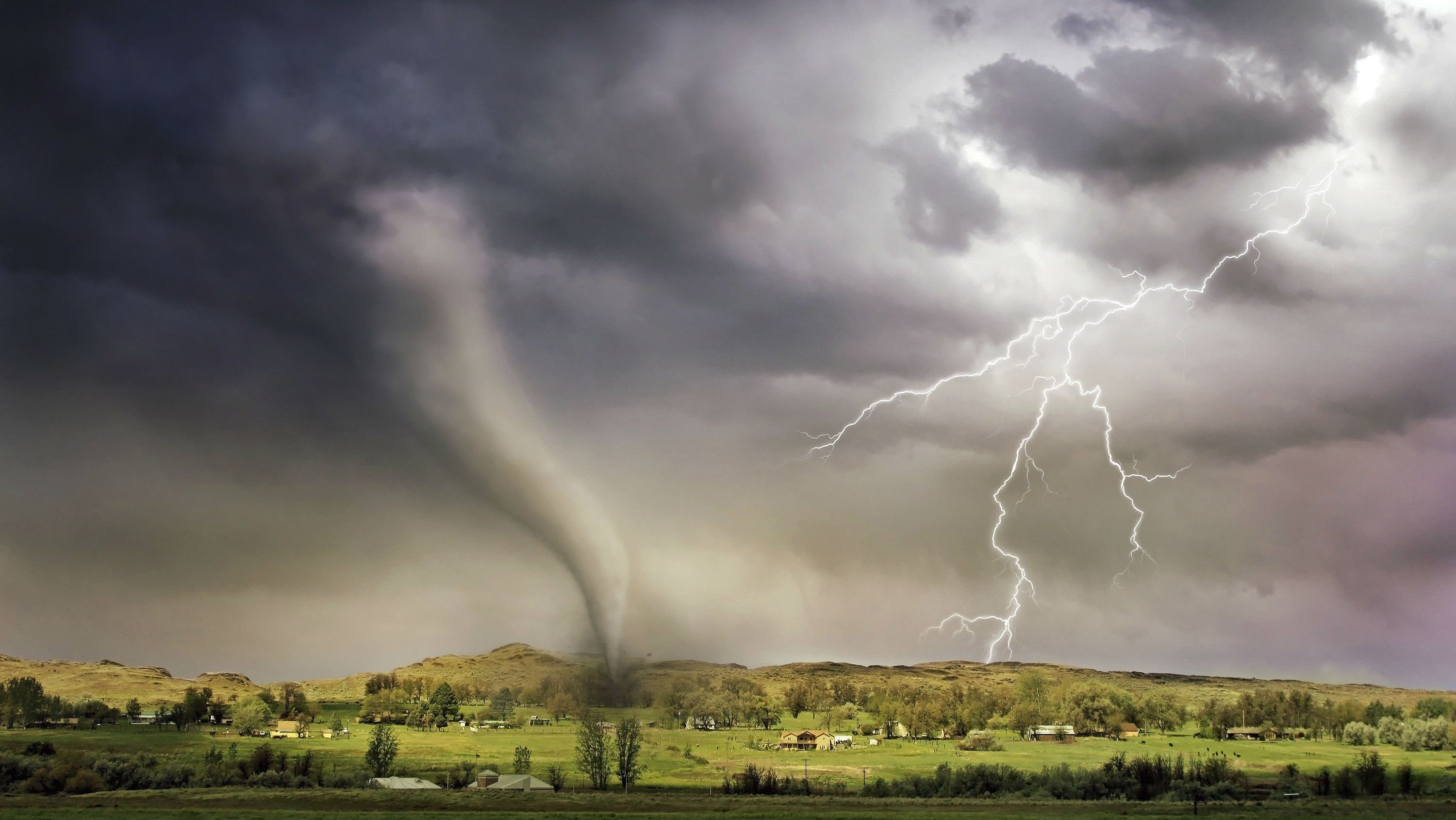
Natural disasters and weather emergencies can strike at any time, leaving individuals and families vulnerable and in need of assistance. While we cannot always predict or prevent these types of emergencies, we can take steps to prepare ourselves and our loved ones in advance.
In this post of the top 17 items for surviving and thriving during a weather emergency, we’ll cover a range of essential items, from basic needs such as water, food, and shelter, to other critical items such as first aid supplies, personal hygiene items, and a battery-powered radio. Each of these items serves a specific purpose and can be a vital part of your emergency preparedness kit.
Whether you live in an area prone to hurricanes, tornadoes, wildfires, or other types of weather emergencies, it’s important to take the time to prepare for the worst. By having the right supplies on hand and knowing how to use them, you can help ensure that you and your loved ones are ready for whatever comes your way.
In a homestead or small farm environment, being prepared for weather emergencies is especially important. In addition to being responsible for your own safety and well-being, you may also have livestock and crops to protect. By taking the time to prepare and stock up on essential items, you can help ensure that you and your farm are ready for any weather emergency that may come your way.
Here are the top 17 items that you should have on hand to prepare for a weather emergency:
- Water – Having access to clean water is essential for survival. Without it, you can only survive a few days. A homestead or small farm should have a reliable source of water, but in the event of an emergency, that source may not be available or may be contaminated. It’s important to store enough water for your family and animals to drink, cook with, and maintain hygiene. Aim for at least one gallon of water per person per day and be sure to include water for your livestock and crops.
When selecting containers for storing water, consider durability, portability, and storage space. For example, you could use large plastic drums, water tanks, or collapsible water containers. It’s important to keep water storage containers in a cool, dry place away from direct sunlight.
To make sure your stored water is safe to drink, you can use water treatment tablets, filters, or boiling. Boiling is the most effective method, but can be time-consuming and may require a heat source. Water filters and treatment tablets are a good option for a quick and easy solution.
2. Food – Having a supply of non-perishable food items on hand can help you and your family stay nourished during and after a weather emergency. Consider stocking up on non-perishable foods that are easy to prepare and have a long shelf life, such as canned goods, dry goods like rice and pasta, snacks like granola bars and baby food/cereal (if needed). Decide on a variety of goods that can be “ready-to-eat” or requires minimal effort to prepare (i.e. have a way to cook or make a fire for warmth and food prep – lighters, weatherproof matches, sterno fuel cans, propane camp stove, etc.).
If you have animals on your homestead, make sure to stock up on food for them as well. This could include hay, grains, and supplements. Keep in mind that animals will need more water during an emergency, so plan accordingly.
- First Aid Supplies – In a weather emergency, injuries can happen quickly and unexpectedly. Make sure that you have a well-stocked first aid kit on hand. At a minimum, your kit should include:
- Bandages of various sizes
- Sterile gauze pads
- Adhesive tape
- Scissors
- Tweezers
- Antiseptic wipes
- Hydrogen peroxide or other disinfectant
- Pain relievers
- Thermometer
- Disposable gloves
In addition to these basic items, you may also want to include any medications that you or your family members need regularly. Make sure that your first aid kit is easily accessible and that everyone in your household knows where it is. Additionally, consider taking a first aid course to learn how to properly use the items in your kit and provide more advanced medical care.
- Flashlights and Batteries – In the event of a power outage, it’s important to have a reliable source of light. Flashlights, lanterns, and candles are all good options. Flashlights are the most practical, as they provide a concentrated beam of light and are more durable than candles. Be sure to have plenty of flashlights and extra batteries on hand. Test your flashlights periodically to ensure they are working properly.
- Warm Clothing and Blankets – In cold weather emergencies, hypothermia can be a real danger. Having emergency blankets or sleeping bags on hand can help keep you and your family warm and safe. Additionally, ensure you have a coat, gloves, hat/toboggan readily available for each member of the family to use.
- Fire Extinguishers – Fires can start quickly and spread rapidly, especially in dry or windy conditions. Make sure that you have fire extinguishers on hand and that you know how to use them. Look for one labelled “A, B, C,” since this type of extinguisher works on all types of fires.
- Personal Hygiene Items – In a weather emergency, access to clean water and sanitation facilities may be limited. This can make it difficult to maintain basic personal hygiene, such as washing hands and brushing teeth. However, be sure to keep personal hygiene items on hand, such as hand sanitizer, wet wipes, toothbrushes/toothpaste, feminine hygiene products, diapers/baby wipes (if needed), disposable gloves and toilet paper (remember 2020?), to remain healthy and prevent the spread of disease. Most of these items require no water to be effective. And, those that do, do not require much.
- Tools and Equipment – In the aftermath of a weather emergency, there may be debris to clear and repairs to make. Make sure that you have basic tools and equipment on hand, such as:
- Hammer: A hammer can be used to drive nails, pry things apart, and break ice. Look for one that is a solid piece of metal instead of one with a wooden handle that may break under extreme or heavy use.
- Pliers: Pliers are versatile tools that can be used to grip, twist, and cut wires or other materials.
- Screwdrivers: You should have both flathead and Phillips head screwdrivers in your kit.
- Multi-Tool – A multi-tool is a versatile tool that can be used for a variety of tasks. It typically includes a knife, pliers, screwdrivers, and other tools. Think Leatherman or Gerber when looking to purchase a quality and versatile product.
- Duct Tape – Duct tape is a simple but versatile tool that can be used for a variety of tasks.
- Wrenches (adjustable and socket): These can be used to tighten or loosen bolts or nuts, turn on/off water and gas lines or general maintenance and repair.
- Pry bar/Wrecking bar – A versatile tool that can be use in a variety of ways to clear a path of debris or doorway that may become blocked. A 15-18” metal pry bar is a good all-around tool for opening things.
- Hand saw: A hand saw can be used to cut wood, branches, and other materials.
- Shovel: A shovel can be used to dig trenches, move dirt, or clear debris.
- Ax: An ax is a versatile tool that can be used to chop wood, clear debris, or break ice.
- Tarps and Rope: Tarps and rope are incredibly versatile tools that can be used for a variety of purposes in an emergency. They can be used to cover damaged roofs, protect crops and livestock from the elements, and even create temporary shelter.
When selecting tarps and rope for emergency preparedness, it is essential to choose durable, high-quality materials that can withstand harsh conditions. Heavy-duty tarps made from materials like polyethylene or canvas are ideal, as they can withstand wind, rain, and snow. Nylon rope is also a good choice, as it is strong and lightweight.
These are just a few examples of the many tools that you may need in an emergency situation. Make sure that you have a variety of tools on hand and that they are in good working order. It’s also a good idea to have spare blades and other parts for your tools.
- Portable Radio – In a power outage, a radio can be a lifeline to the outside world and is an important tool for staying informed during an emergency. It can provide you with information about the weather, evacuation orders, and emergency services. Look for an emergency radio that is battery-powered and has multiple charging options, such as solar power or a hand crank. It should also have access to AM/FM radio and NOAA weather alerts. Be sure to have a portable radio on hand and plenty of extra batteries.
- Whistle: A whistle can be used to signal for help during an emergency. Make sure everyone in your group has one and knows how to use it.
- Dust Masks: Dust masks can protect you from inhaling harmful particles during an emergency, such as after a natural disaster.
- Backup Generator – A portable generator is a useful tool to have on hand during an emergency. It can provide power to critical systems like a well pump or refrigeration unit, keeping your family and livestock safe and comfortable. When selecting a generator, it is essential to choose one that is appropriate for your needs.
For a homestead or small farm, a portable generator with a capacity of 5,000 to 8,000 watts is usually sufficient. This will provide enough power to run critical systems while still being easy to move and operate. When selecting a generator, it is also important to consider fuel efficiency, noise level, and safety features. Make sure that you have a generator on hand and that you know how to operate it safely.
- Fuel – If you have a backup generator or other equipment that runs on fuel, be sure to have a supply of fuel on hand. This may include gasoline, diesel, or propane, depending on your needs.
- Cash or Other Currency – In the aftermath of a weather emergency, access to electronic payment methods may be limited and may make it difficult to access electronic forms of payment such as credit cards or ATM machines. Be sure to have a variety of small and large bills and coins on hand, in the local currency, to purchase essential items and services.
- Maps and Compass: During an emergency, you may need to navigate through unfamiliar territory. Having a map and compass of the local area can help you find your way.
- Important Documents: It’s important to have copies of important documents on hand in case you need to evacuate or apply for assistance. Some of the documents you should consider having in your emergency kit include:
- Identification (driver’s licenses, passports, etc.)
- Birth certificates
- Social Security cards
- Insurance policies
- Property deeds or titles
- Wills
- Medical records
Make sure that you keep these documents in a waterproof container and that they are easily accessible.
- Emergency Plan – Finally, having a well-thought-out emergency plan can help you and your family stay safe and calm during a weather emergency. Make sure that everyone in your household knows the plan and that you have a way to communicate with each other if you are separated.
By taking the time to prepare and stock up on these essential items, you can help ensure that you and your farm are ready for any weather emergency that may come your way. Remember to regularly review and update your emergency kit, rotate food, water and first-aid items with expiration dates and to stay informed about weather conditions and other potential hazards in your area.
Conclusion
In the face of natural disasters and weather emergencies, it’s important to remember that preparation can make all the difference. In a homestead or small farm environment, being prepared for weather emergencies is especially important. In addition to being responsible for your own safety and well-being, you may also have livestock and crops to protect.
So, don’t wait for an emergency to happen before preparing yourself and your family. By taking the time to make a plan and stock up on essential items now, you can help ensure that you, your family, and your homestead or farm are ready to survive and thrive during any weather event or crisis that may come your way. Stay safe!
Subscribe now to never miss a post from Skillful Living…


 Skillful Living