Introduction
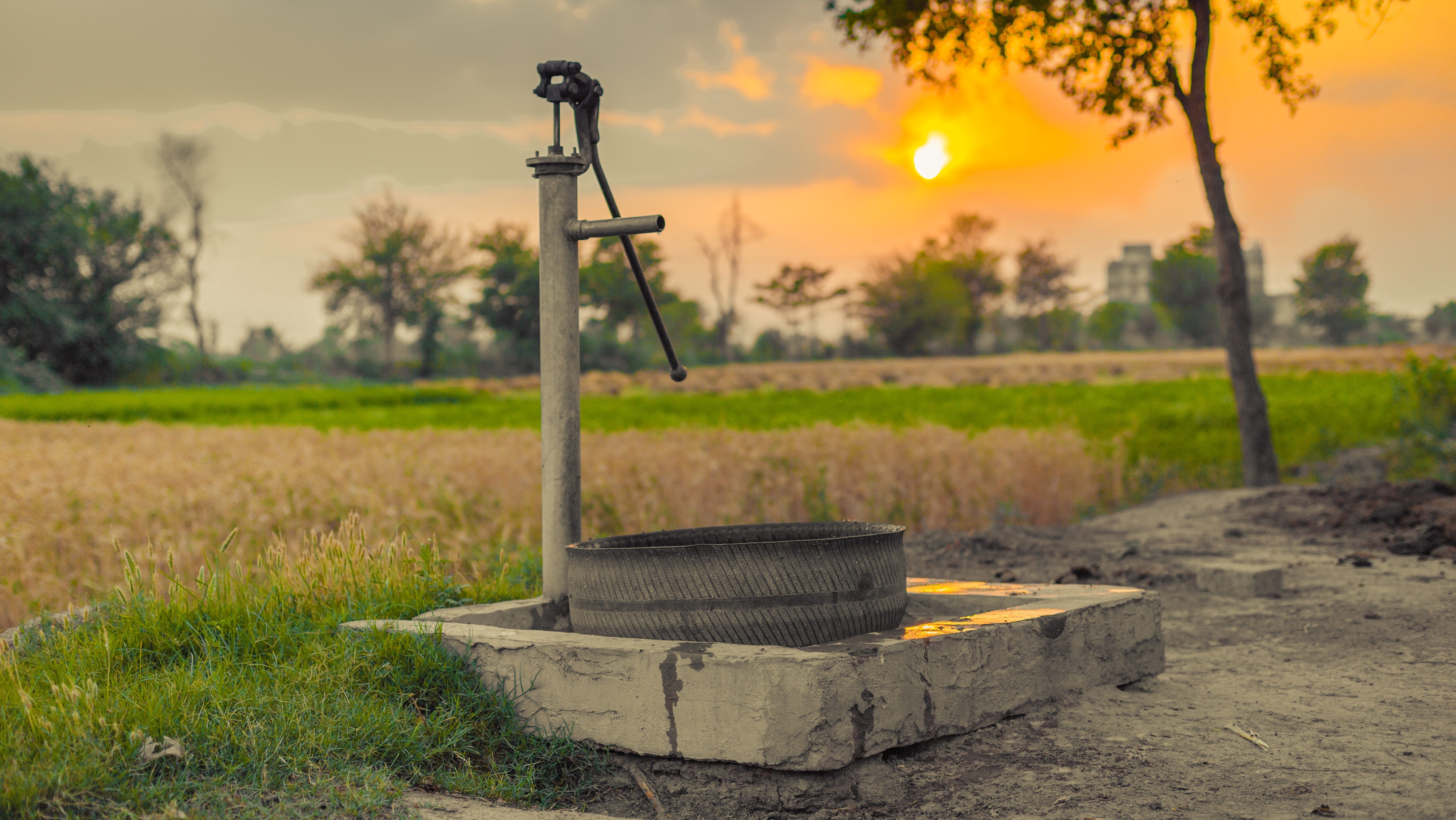
Welcome to our introductory guide on establishing and maintaining a water well for your homestead or small farm. In it, you’ll discover information about choosing the proper location, working with a hydrologist, water well construction, maintenance, storage and testing. By following the information within this guide, you’ll gain the knowledge and confidence needed to develop and create a reliable and sustainable water source for all your agricultural and livestock needs. So, let’s jump right in.
Finding the Perfect Location
The first step in the process is to find the ideal location for your water well. Research local water tables, aquifers, and geological information to identify potential water sources on your property. Observe surface indicators like depressions, wet spots, or areas with lush vegetation. These areas may indicate groundwater sources. For expert guidance, consider consulting a professional hydrogeologist who can assess the geology of your land and determine the best drilling locations (see below).
By combining the results of your research, surface observations, and the expertise of a hydrogeologist, you can make an informed decision regarding the location of your water well. Remember, prior to drilling, check with your local authorities for any permits or regulations that may be required for drilling a water well on your property to avoid any legal complications and to ensure the safety of your well.
Digging and Constructing the Well
Once you’ve found the right location, it’s time to dig and construct your water well. After checking with your local authorities for any needed permits or regulations to be followed, hire a licensed well driller with experience in well construction. Look for reputable drillers with a track record of successful projects. Seek recommendations from local farmers, neighbors, or agricultural extension services to find reliable professionals. Together, you’ll determine the appropriate well type based on your water needs and demand, budget, and geological conditions. Common types include drilled wells, driven wells, and bored wells. Your well driller will guide you in selecting the optimal option.
The well driller will install casing to prevent collapse and a screen to filter out sediment and debris. The casing is typically made of steel or PVC and provides structural support to the well. The screen allows water to enter while keeping unwanted materials out.
Lastly, the well needs to be properly sealed and capped to ensure water quality and safety. This prevents the entry of contaminants, insects, and surface water. A professional well driller will employ appropriate sealing techniques, such as grouting, to secure the well and maintain its integrity.
By following these steps and working with a licensed well driller, you can ensure that your water well is constructed to the highest standards. Remember to communicate openly with your well driller, ask questions, and stay involved throughout the process. This will help ensure that your well meets your specific needs and provides a reliable water supply for your homestead or small farm.
Accessing and Testing the Water
After the well is constructed, you’ll need to access and test the water to ensure its quality and suitability for your needs. To access the water from your well, install a pump and plumbing system to draw it from the well and distribute it as needed. Consult with a professional plumber or well contractor to determine the appropriate pump type based on your water requirements and the depth of your well. The pump should be properly sized to deliver the desired flow rate. We’ll discuss more on well pump later.
To ensure the safety of your water supply, conduct regular water quality tests. Schedule comprehensive water testing at least once a year, or as recommended by local health authorities. These tests will assess various parameters, including pH levels, bacteria, minerals, nitrates, and other contaminants. Certified laboratories can provide accurate results and offer guidance on any necessary water treatment measures.
Water Quantity
Measure the well’s yield by determining the flow rate and water level to ensure it meets your needs. The flow rate is the volume of water delivered per unit of time. Regularly monitor these two indicators to detect any changes or potential issues early on, such as declining water levels. This information helps you assess the sustainability of your water supply and make informed decisions regarding usage and conservation.
Water Conservation Measures
To optimize your water usage, consider implementing water conservation measures. Install water-efficient fixtures, such as low-flow toilets and faucets. Utilize drip irrigation systems or rainwater harvesting methods, such as rain barrels or cisterns for irrigation and livestock. Use mulch around flower beds for water retention and optimize watering schedules based on weather conditions. By using these techniques, you’ll not only minimize your water waste, but also help preserve your well water. Thereby, reducing the strain on your water resources and your pocket book.
Storage and Management
Storage and management of well water are extremely important for maintaining a reliable water supply. Install storage tanks to maintain a reserve of water, such as the aforementioned barrels or cisterns, to ensure you have an adequate supply of water during dry periods or power outages. Depending on your water quality, consider implementing a filtration or treatment system to remove impurities.
Schedule regular maintenance and inspections for your well and associated equipment. Engage the services of a professional well contractor or plumber to inspect the well, pump, and plumbing system annually. They can identify and address any potential issues, ensuring optimal performance and prolonging the lifespan of your water well.
Protect the Wellhead
Take measures to protect the wellhead from potential sources of contamination. The wellhead refers to the visible portion of a water well system that is located above the ground. It is the point where the well casing, pipes, and other components emerge from the ground surface. The wellhead serves as the access point to the well and is typically equipped with various fittings and components to facilitate the operation and maintenance of the well.
Keep the area around the wellhead clear of debris, chemicals, and waste materials to ensure the sustainability, integrity and reliability of your water supply. Prevent the entry of surface water runoff, animal waste, and other pollutants into the well. Install a secure well cap or cover to prevent unauthorized access and safeguard the water quality.
Troubleshooting
Regularly monitor the water levels in your well to ensure its sustainability. Measure the depth to water periodically using a measuring tape or a well sounder. Keep a record of the measurements to detect any significant changes over time. If you observe a significant decline in water levels, it may indicate a need for further investigation and potential remedies.
Regularly maintain and service the pump and plumbing system connected to your well. Inspect the pump for any signs of damage, check for leaks in the plumbing connections, and ensure proper functioning of pressure switches or controls. Follow manufacturer guidelines for pump maintenance and consider hiring a professional for complex repairs or replacements.
If you notice any changes in water quality, unusual sounds or vibrations from the pump, or reduced water flow, address the issues promptly. Contact a licensed well contractor or plumber to troubleshoot the problem and recommend appropriate solutions. Early intervention can help prevent further damage and maintain a consistent water supply.
Hydrogeologist
When it comes to finding and developing a water well for your homestead or small farm, there are significant benefits to working with a professional hydrogeologist. Let’s take a closer look at why their expertise can make a difference.
First and foremost, hydrogeologists have specialized knowledge and extensive experience in groundwater exploration and management. They understand the complexities of hydrogeology, geology, and the factors that affect water availability. This expertise allows them to assess the geological conditions of your property and identify the most suitable drilling locations. With their help, you can increase the chances of finding a successful water source.
A hydrogeologist will conduct a thorough site evaluation, considering factors such as geological formations, soil properties, water tables, and aquifers. They utilize advanced techniques and equipment to analyze the site, ensuring that the selected location has the highest potential for accessing an adequate water supply. By relying on their expertise, you can avoid the frustration and expense of drilling in areas that may yield limited or no water.
Additionally, hydrogeologists can provide valuable input during the well design and construction process. They can help you choose the right type of well based on your specific water needs, geological conditions, and budget. This ensures that the well is constructed properly, with the necessary casing and screen to prevent contamination and maintain its integrity.
Beyond the initial well development, hydrogeologists offer guidance on long-term water resource management. They can help you understand the sustainable yield of your well, develop water conservation strategies, and implement efficient irrigation practices. Their expertise contributes to the long-term viability and optimal use of your water resources, ensuring a reliable supply for your homestead or small farm.
Working with a hydrogeologist also ensures compliance with local regulations and permits related to water well drilling and construction. They stay up to date with the latest laws and guidelines, so you can be confident that your well development project meets all necessary legal requirements.
In the event of well-related issues, hydrogeologists provide troubleshooting and remediation services. They can assess the situation, identify the underlying causes of problems such as declining water levels or water quality issues, and recommend appropriate solutions. Their expertise can help restore your well’s performance and maintain the quality of your water supply.
Choosing the Right Pump
When it comes to accessing water from your well, selecting the right pump is one of the most important decisions you’ll make for efficiency and reliability. There are various types of water well pumps available, with each designed to suit different situations and requirements. In this section, we will explore the different types of water well pumps, discuss their advantages and applications, and help you make an informed choice based on your specific needs.
Submersible Pumps
Submersible pumps are widely used in water well systems due to their efficiency and convenience. These pumps are placed directly inside the well, submerged in water. Key advantages of submersible pumps include:
- Efficiency: Submersible pumps are highly efficient, because they push water directly from the source to the surface, eliminating the need for priming.
- Quiet Operation: Being submerged, submersible pumps operate silently, making them ideal for residential or noise-sensitive areas.
- Protection from Elements: The submerged installation protects the pump from extreme weather conditions, reducing the risk of damage or malfunction.
Submersible pumps are best suited for deeper wells and high-capacity water needs. They are highly effective at delivering water to households, farms, or irrigation systems with consistent pressure and flow.
Jet Pumps
Jet pumps are another common type of water well pump, known for their versatility and reliability. These pumps are typically installed above ground, with a suction pipe that draws water from the well. Jet pumps offer several advantages:
- Cost-Effectiveness: Jet pumps are often more affordable than submersible pumps, making them a budget-friendly option.
- Flexibility: Jet pumps can be used in various well depths, including shallow wells, making them suitable for a wide range of applications.
- Easy Maintenance: Being located above ground, jet pumps are easily accessible, simplifying maintenance and repairs.
Jet pumps are suitable for shallower wells and moderate water demands. They can provide reliable water supply for residential use, small-scale farming, and irrigation systems.
Deep Well Jet Pumps
Deep well jet pumps are specifically designed for wells with greater depth. They combine aspects of both submersible and jet pumps to deliver water from deep underground. Key features of deep well jet pumps include:
- Ability to Reach Greater Depths: Deep well jet pumps are capable of drawing water from deeper wells due to their dual pipe system.
- Efficiency: These pumps offer improved efficiency compared to standard jet pumps when operating at greater depths.
- Versatility: Deep well jet pumps can handle a range of well depths, making them suitable for both shallow and deep wells.
Deep well jet pumps are a suitable choice for wells with moderate to high depths, providing consistent water supply for residential, agricultural, and commercial applications.
When choosing which water well pump you will purchase, ensure you consider factors such as well depth, water demand, budget, and any other specific requirements you have for your particular situation. Consulting with a professional well contractor, plumber or hydrogeologist can provide you with further guidance and ensure you select the most suitable pump for your water well system.
Conclusion
Developing and maintaining a water well for your homestead or small farm requires careful planning and execution. By following the steps outlined in this guide, including finding the right location, constructing the well, installing a reliable pump and plumbing system, accessing and testing the water, monitoring the yield, storing and managing it, performing regular maintenance, and implementing water conservation practices, your water well will provide you with a sustainable and self-sufficient water source for years to come.
Subscribe now to never miss a post from Skillful Living…


 Skillful Living