Introduction
In an era of modern conveniences, the art of food preservation is often overlooked. However, for homesteaders, small farmers, and those living off the grid, food preservation is an important skill to acquire to ensure a steady food supply, minimize waste, and extend the shelf life of perishable items. In this post, we will explore various food preservation techniques, ranging from traditional methods used in times without electricity to modern adaptations that can be implemented in off-grid environments, along with the basic steps used for each. Ensure you research specific recipes for each method and follow the steps outlined within them to ensure food and health safety are followed and maintained.
Canning
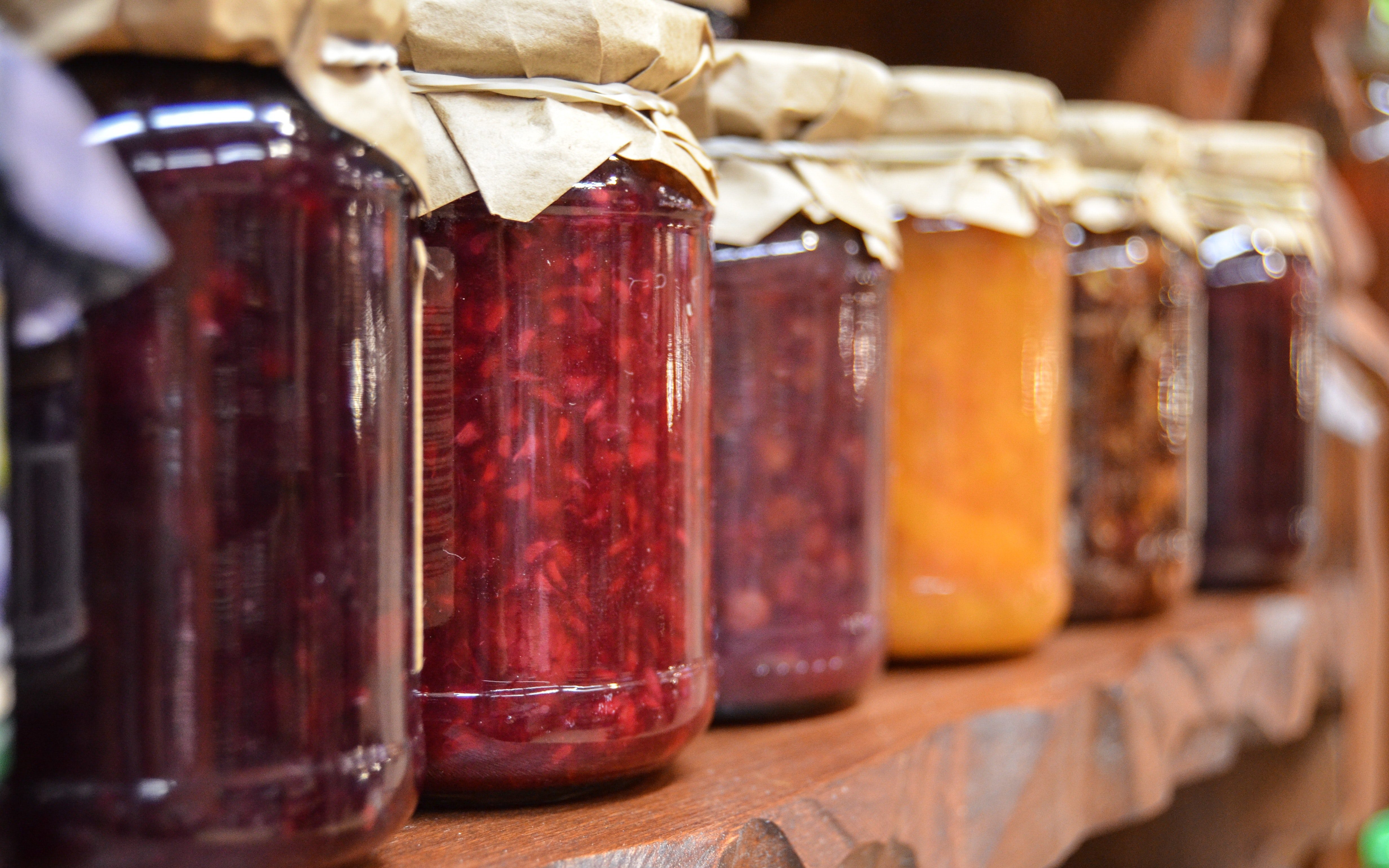
Canning is a versatile food preservation method that allows you to safely store a wide range of foods, including fruits, vegetables, jams, jellies, sauces, soups, and even meats. It provides a shelf-stable option that retains the flavor, nutrients, and quality of the preserved foods.
Water Bath Canning
Water bath canning is suitable for high-acid foods with a pH level of 4.6 or below. The acidity helps prevent the growth of harmful bacteria like Clostridium botulinum (Botulism). Here’s a more detailed breakdown of the water bath canning process:
- Selection and Preparation:
- Choose fresh, ripe produce at its peak. Opt for unblemished fruits and vegetables.
- Wash the produce thoroughly under running water to remove any dirt or debris.
- Remove any peels, pits, cores, stems, or seeds as necessary.
- Cut the produce into appropriate sizes or shapes, such as slices, chunks, or halves.
- Sterilizing Jars:
- Select glass jars specifically designed for canning, ensuring they are free from cracks or chips.
- Wash the jars and lids with hot, soapy water.
- Place the jars in a large pot, fill it with water, and bring it to a simmer.
- Allow the jars to simmer for 10 minutes to sterilize them.
- Keep the jars in hot water until ready to use.
- Filling Jars:
- Remove a jar from the hot water using tongs or a jar lifter, and empty the water from it.
- Fill the jar with the prepared food, leaving the recommended headspace (usually ¼ to ½ inch).
- Use a non-metallic utensil, such as a plastic or wooden spatula, to remove air bubbles by gently pressing down on the food.
- Add more food if necessary, maintaining the proper headspace.
- Canning Liquid:
- Prepare the canning liquid based on the recipe or guidelines for the specific food being canned.
- Common options include sugar syrups, fruit juices, tomato juice, or water with added salt or vinegar.
- Heat the liquid to a simmer, ensuring it is hot when poured over the food in the jars.
- Sealing the Jars:
- Wipe the rim of the jar with a clean, damp cloth to remove any food particles or liquid.
- Place a sterilized lid on top of the jar, ensuring the sealing compound is in contact with the rim.
- Screw the band onto the jar until it is finger tight, but not overly tight.
- Processing the Jars:
- Place the filled and sealed jars onto a rack in a canning pot or a large, deep pot fitted with a rack.
- Add enough hot water to the pot to cover the jars by at least 1 inch.
- Bring the water to a rolling boil and start the processing time indicated in the recipe or canning guidelines.
- Maintain a consistent boil throughout the processing time, adjusting the heat if needed.
- Once the processing time is complete, turn off the heat and allow the jars to sit in the pot for 5 minutes.
- Cooling and Storage:
- Carefully remove the jars from the canning pot using tongs or a jar lifter.
- Place the hot jars on a clean kitchen towel or cooling rack, leaving space between them to cool.
- Avoid touching or disturbing the lids during the cooling process.
- Let the jars cool undisturbed for 12 to 24 hours.
- Check the seals by pressing down on the center of each lid. If it doesn’t flex or make a popping sound, it is properly sealed.
- Store the sealed jars in a cool, dark place, away from direct sunlight and excessive heat.
Note: It’s essential to follow tested canning recipes, processing times, and safety guidelines provided by reputable sources like the National Center for Home Food Preservation, USDA, or your local cooperative extension service. These resources ensure safe canning practices and help prevent the growth of harmful bacteria.
Pressure Canning
Pressure canning is required for low-acid foods, including most vegetables, meats, poultry, seafood, and soups. These foods must be processed at higher temperatures to destroy harmful bacteria like Clostridium botulinum. Here’s an overview of the pressure canning process:
- Selection and Preparation:
- Choose fresh, high-quality foods. Trim off excess fat or undesirable portions.
- Wash vegetables and fruits thoroughly.
- Cut larger foods into appropriate sizes for canning, such as cubes or slices.
- Sterilizing Jars:
- Follow the same steps as water bath canning to sterilize the jars.
- Filling Jars:
- Follow the same steps as water bath canning to fill and remove air bubbles from the jars.
- Sealing the Jars:
- Follow the same steps as water bath canning to seal the jars.
- Processing the Jars:
- Fill the pressure canner with the recommended amount of water according to the manufacturer’s instructions.
- Place filled jars onto the canner rack, ensuring they are not touching each other.
- Lock the canner lid securely, following the manufacturer’s instructions.
- Heat the canner over high heat until steam flows consistently from the vent pipe.
- Allow the canner to vent steam for the recommended time to ensure all the air is purged.
- Place the weighted gauge or close the petcock to pressurize the canner.
- Adjust the heat to reach and maintain the recommended pressure for the food being canned.
- Start the processing time once the canner reaches the desired pressure.
- Monitor and maintain the pressure during the entire processing time, adjusting the heat as needed.
- After the processing time is complete, turn off the heat and let the canner depressurize naturally.
- Wait until the canner is fully depressurized, indicated by the absence of steam or pressure, before opening.
- Cooling and Storage:
- Follow the same steps as water bath canning to cool and store the jars.
By mastering the art of canning, you can preserve the bounties of your harvest and enjoy home-canned foods throughout the year. Remember, it’s essential to follow proper canning procedures, use tested recipes, and prioritize food safety to ensure the preservation of high-quality, safe-to-consume foods.
Smoking
Smoking is a time-honored food preservation method that not only helps preserve food but also imparts delicious smoky flavors. It is particularly popular for preserving and enhancing the taste of meats, fish, and certain fruits and vegetables. Here’s a more in-depth look at the smoking process:
- Selection and Preparation:
- Choose fresh, high-quality food items that are suitable for smoking. Meats like beef, pork, poultry, and fish work well, while fruits like apples or tomatoes can also be smoked.
- Ensure that the food is properly prepared before smoking. For meats, trim excess fat, remove skin or scales, and clean the cuts as necessary. Fruits and vegetables may require peeling or slicing.
- Building the Fire:
- Select hardwoods suitable for smoking, such as hickory, mesquite, apple, cherry, or oak. Avoid using softwoods like pine or cedar as they can impart undesirable flavors.
- Build a fire in a smoker or smokehouse using charcoal or wood, such as chunks, chips, or pellets. Soak the wood chips in water for 30 minutes before use to produce more smoke.
- Allow the fire to burn until it produces a steady stream of smoke.
- Preparing the Smoker:
- Clean the smoker or smokehouse to remove any residue from previous use.
- Ensure that the smoker has proper ventilation and airflow, as consistent smoke circulation is crucial.
- Place a drip pan at the bottom of the smoker to catch drippings and prevent flare-ups.
- Preparing the Food:
- If desired, you can marinate or season the food before smoking to enhance its flavor. Use dry rubs, marinades, or brines as per your preference or recipe.
- Allow the food to marinate or season for the recommended time in the refrigerator.
- Pat the food dry before placing it in the smoker to ensure better smoke adherence.
- Smoking the Food:
- Hang the food on hooks or place it on racks inside the smoker, ensuring enough space between the items for smoke circulation.
- Position the food away from direct heat sources to prevent burning.
- Close the smoker or smokehouse, leaving vents partially open to control the airflow and maintain an even temperature.
- Start the smoking process by adding a small amount of soaked wood chips or chunks onto the fire to generate smoke. Add more as needed throughout the smoking process.
- Maintain a consistent temperature inside the smoker, typically between 160-200°F (71-93°C), depending on the type of food being smoked.
- Monitor the temperature using a reliable thermometer and make adjustments to the heat source as necessary.
- The smoking time varies depending on the type and thickness of the food. Refer to recipes or guidelines for specific smoking times.
- Regularly check the food for doneness, color, and desired texture. Avoid opening the smoker too often to prevent heat loss and excessive smoke escape.
- If desired, you can baste the food with marinades or sauces during the smoking process to add additional flavor.
- Cooling and Storage:
- Once the food has reached the desired level of smokiness and is fully cooked, carefully remove it from the smoker.
- Allow the smoked food to cool at room temperature before refrigerating or freezing.
- If storing for the short term, transfer the smoked food to airtight containers or wrap it tightly in plastic wrap or aluminum foil.
- For longer storage, vacuum-seal the smoked food or use freezer-safe containers or bags.
- Refrigerate or freeze the smoked food promptly to maintain its quality and safety.
Note: Food safety is crucial when smoking, because the low cooking temperatures can promote bacterial growth. It’s important to follow recommended smoking times and internal temperature guidelines for different types of food to ensure that it is fully cooked and safe to consume.
Smoking is a delightful way to preserve and flavor a variety of foods. Whether you’re smoking meat for a backyard barbecue or infusing fruits with smoky essence for unique culinary creations, mastering the art of smoking can open up a world of delicious possibilities.
Salt Curing
Salt curing is a traditional preservation method that has been used for centuries to preserve meats, such as, bacon, ham, and fish. It involves using salt to draw out moisture from the food, creating an inhospitable environment for bacteria and preventing spoilage. Here’s a more detailed explanation of the salt-curing process:
Selection and Preparation
- Choose fresh, high-quality meats or fish for salt curing. Common options include pork, beef, poultry, and fish like salmon or cod.
- Ensure that the cuts of meat or fish are properly prepared. Trim excess fat, remove skin or scales, and clean the cuts as necessary.
Dry Salting
- Prepare a mixture of coarse salt (such as kosher or sea salt) and optional seasonings like herbs, spices, or sugar. The amount of salt used will depend on the weight of the food being cured and the desired level of saltiness.
- Spread a layer of the salt mixture on the bottom of a non-reactive container, such as a glass or stainless steel dish.
- Place the meat or fish on top of the salt mixture, making sure it is fully covered on all sides.
- Generously sprinkle more of the salt mixture over the top of the meat or fish, ensuring that it is evenly coated.
Cover the container with plastic wrap or a lid and refrigerate it for the recommended curing time. The curing time will vary depending on the size and thickness of the food
Wet Brining
- Prepare a brine solution by dissolving salt in water. The ratio of salt to water will depend on the desired level of saltiness, typically around 1 cup of salt per gallon of water.
- Place the meat or fish in a container and pour the brine solution over it, ensuring that it is fully submerged.
- Optional seasonings like herbs, spices, or sugar can be added to the brine for additional flavor.
- Cover the container and refrigerate it for the recommended brining time. The brining time will vary depending on the size and thickness of the food.
Note: It’s important to use the correct amount of salt during the curing process to ensure proper preservation and prevent spoilage. Additionally, it’s essential to follow food safety guidelines and use appropriate sanitation practices to avoid contamination during the salt-curing process.
Salt curing is an excellent method for preserving meat and fish, because it not only extends their shelf life, but also enhances their flavor. Whether you’re making your own prosciutto, salt-cured bacon, or salt-cured fish, this time honored technique can provide you with delicious preserved foods to enjoy for months.
Additional Preservation Techniques
Beyond canning, smoking, and salt curing, several other methods can be employed for food preservation in homesteads, small farms, or off-grid environments.
Drying/Dehydration
Drying is one of the oldest methods of food preservation and involves removing moisture from food to inhibit the growth of microorganisms and enzymes that cause spoilage. This technique concentrates the flavors and extends the shelf life of various food items. Here’s a more detailed explanation of the drying process:
- Selection and Preparation:
- Choose fresh, ripe, and high-quality fruits, vegetables, herbs, or meats for drying. Opt for produce that is at its peak ripeness to ensure the best flavor and nutritional content.
- Wash the produce thoroughly and remove any stems, seeds, or blemishes. For meats, trim excess fat and cut into thin slices or strips.
- Pre-Treatment (optional):
- Some foods benefit from pre-treatment before drying to enhance their quality and shelf life.
- Blanching: This involves briefly immersing fruits or vegetables in boiling water, followed by immediate cooling in ice water. Blanching helps preserve color, texture, and nutritional value.
- Acid or Ascorbic Acid Treatment: Soaking fruits in a solution of water and lemon juice or ascorbic acid helps prevent browning or oxidation during the drying process.
- Drying Methods:
- Sun Drying: This traditional method involves placing food items on trays or racks in direct sunlight. Choose a dry, sunny location with good air circulation. Cover the food with cheesecloth or a fine mesh to protect it from insects and debris. Sun drying can take several days or even weeks, depending on the weather conditions and the moisture content of the food.
- Air Drying: Air drying involves hanging or spreading food in a well-ventilated area with good air circulation. Use clean, food-grade nets, strings, or racks to hang or lay out the food items. This method is suitable for herbs, flowers, and some vegetables. Air drying can take several days to weeks, depending on the humidity and the type of food being dried.
- Oven Drying: The oven drying method uses low heat to dehydrate food. Preheat the oven to a low temperature, typically around 140-170°F (60-75°C). Place the food on baking sheets or racks and leave the oven door slightly ajar to allow moisture to escape. This method is ideal for drying fruits, vegetables, and herbs. Oven drying times can vary from a few hours to overnight, depending on the food and the desired level of dryness.
- Dehydrator: Electric food dehydrators provide a controlled environment for drying food. Follow the manufacturer’s instructions for setting the temperature and drying time. Arrange the food on the dehydrator trays, leaving space between the pieces for adequate airflow. Dehydrators offer precise temperature control and consistent results.
- Monitoring and Storage:
- Throughout the drying process, regularly check the food for dryness and rotate or reposition it if necessary to ensure even drying.
- The food is considered dry when it is leathery or brittle, with no visible moisture. Fruits should be pliable but not sticky, and vegetables should be crisp.
- Allow the dried food to cool completely before packaging or storing to avoid condensation and moisture buildup.
- Store the dried food in airtight containers, such as glass jars, plastic bags, or vacuum-sealed pouches. Label and date the containers for easy identification.
- Store the dried food in a cool, dry, and dark place to maintain its quality. Properly dried and stored food can last for several months to a year, depending on the food type and storage conditions.
Drying is a versatile method of food preservation that can be applied to various fruits, vegetables, herbs, and even meats. It allows you to enjoy the flavors and nutrients of seasonal produce year round and is an excellent option for off-grid or low-energy environments. Experiment with different drying methods and combinations of herbs and spices to create your own unique dried foods and snacks.
Root Cellaring
Root cellaring is a traditional method of food preservation that involves storing root vegetables, fruits, and other produce in a cool, dark, and humid environment to extend their shelf life. It’s an excellent technique for homesteads or off-grid environments where electricity may be limited. Here’s a more detailed explanation of the root cellaring process:
- Selection and Preparation:
- Choose fresh, mature, and undamaged produce for root cellaring. Root vegetables like carrots, potatoes, beets, and onions are commonly stored this way, but other items like apples, pears, and winter squashes can also be successfully stored.
- Before storing, remove any foliage or dirt from the vegetables and fruits. It’s important to handle them gently to avoid bruising or damaging the produce.
- Storage Location:
- Find a suitable location for your root cellar. It should be cool, ideally between 32-40°F (0-4°C), with relatively high humidity, around 85-95%. The humidity helps prevent dehydration and shriveling of the stored produce.
- The cellar can be a dedicated underground space, a cool basement, a cold storage room, or even an insulated closet. The goal is to create a microclimate that mimics the cool and humid conditions of an actual root cellar.
- Storage Containers and Layout:
- Use appropriate containers or bins for storing the produce. Wooden crates, mesh bags, or sturdy plastic containers with ventilation holes work well.
- Avoid using plastic bags that can trap moisture and cause rotting.
- Sort and separate different types of produce to prevent cross-contamination and allow for easy access and monitoring.
- Place a layer of dry sand, sawdust, or straw at the bottom of the container to provide insulation and absorb excess moisture.
- Storing the Produce:
- Gently arrange the vegetables and fruits in a single layer in the container, ensuring they are not touching each other. This prevents the spread of any potential rot.
- Check for any damaged or bruised items and use them first, as they tend to spoil more quickly.
- For some produce, such as carrots or beets, you can leave a thin layer of soil on them to maintain moisture and increase their shelf life.
- Periodically inspect the stored produce and remove any items showing signs of spoilage or rot to prevent it from spreading to the rest of the crop.
- Temperature and Humidity Control:
- Maintain the desired temperature and humidity levels in the root cellar.
- Use a thermometer to monitor the temperature regularly and make any necessary adjustments to keep it within the recommended range.
- To increase humidity, you can place shallow trays of water or damp cloths in the cellar. Spraying the walls or floor with water can also help maintain humidity levels.
- Check the produce regularly for signs of wilting or dehydration. If necessary, mist the vegetables lightly with water to prevent them from drying out.
- Ventilation and Air Circulation:
- Proper ventilation is crucial in a root cellar to prevent the buildup of ethylene gas and control moisture levels.
- Ensure that there is adequate airflow by providing ventilation openings or vents in the cellar. This allows for the exchange of fresh air and helps prevent the growth of mold and mildew.
- However, avoid excessive drafts or direct airflow that could dry out the stored produce.
- Rotation and Monitoring:
- Practice a rotation system to ensure that older produce is used first. This prevents spoilage and wastage.
- Regularly inspect the stored produce, checking for any signs of decay, rot, or mold. Remove any affected items promptly to prevent the spread of spoilage.
Root cellaring is an effective method for storing root vegetables and other produce for several months, allowing you to enjoy fresh and homegrown food throughout the winter and beyond. With proper temperature, humidity, ventilation, and monitoring, you can successfully extend the shelf life of your harvest and reduce food waste.
Fermentation
Fermentation is a natural process that involves the transformation of sugars in food into acids, gases, or alcohol by the action of microorganisms, such as bacteria, yeast, or fungi. This ancient preservation method not only extends the shelf life of foods but also enhances their flavor, texture, and nutritional value. Here’s a more detailed explanation of the fermentation process:
- Selection and Preparation:
- Choose fresh, high-quality ingredients for fermentation. Common options include vegetables like cabbage, cucumbers, and carrots, as well as grains, legumes, and fruits.
- Ensure that the ingredients are properly prepared. Remove any bruised areas. Clean and trim vegetables, remove seeds or pits from fruits, and rinse grains or legumes.
Salt Fermentation (Lacto-fermentation)
Salt fermentation, also known as lacto-fermentation, relies on the action of beneficial bacteria, specifically Lactobacillus, which convert sugars into lactic acid.
- To start the process, dissolve non-iodized salt in filtered or non-chlorinated water to create a brine solution. The ratio of salt to water will vary depending on the recipe, but a general guideline is around 2% to 5% salt by weight (or, 1-3 tablespoons of salt per quart (liter) of water), according to your taste preferences and vegetable being used. Stir the brine until the salt is completely dissolved. You can slightly heat the water to speed this part of the process.
- Submerge the prepared vegetables or fruits in the brine, ensuring that they are fully covered. You can use fermentation weights or a clean, food-grade object to keep the ingredients submerged.
- Place a lid or cover on the fermentation vessel, ensuring that it allows gases to escape while preventing the entry of contaminants.
- Store the vessel at room temperature, typically between 60-75°F (15-24°C), and allow the fermentation to occur. The duration of fermentation will vary depending on the desired flavor and texture, ranging from a few days to several weeks.
- During fermentation, beneficial bacteria will consume the sugars present in the food, producing lactic acid and other compounds that help preserve the food and create tangy flavors.
- Regularly check the fermentation vessel, skimming off any scum or mold that may form on the surface. It’s normal to see bubbles and experience a slightly sour aroma.
Wild Fermentation
Wild fermentation involves harnessing the natural microorganisms present in the environment, such as wild yeast and bacteria, to initiate the fermentation process.
- For example, to make wild-fermented sourdough bread, you mix flour and water and allow it to sit at room temperature, allowing the wild yeast and bacteria present in the air and on the grains to colonize the mixture.
- The fermentation process can take several days or longer, during which the wild yeast ferments the sugars in the dough, creating gases that make the dough rise and giving the bread its characteristic tangy flavor.
- Regular feeding and care of the fermentation culture, such as a sourdough starter, help maintain and cultivate the desired microorganisms.
Controlled Fermentation (Yeast Fermentation)
Controlled fermentation involves the use of specific strains of yeast to transform sugars into alcohol or carbon dioxide, as seen in bread baking or alcoholic beverage production.
- In bread making, for example, you mix flour, water, yeast, and often a small amount of sugar to activate the yeast. The yeast consumes the sugar and produces carbon dioxide gas, causing the dough to rise.
- In alcoholic beverage production, yeast is added to fruit juice or a mash of grains to convert the sugars into alcohol through the process of fermentation.
- Controlled fermentation requires precise measurements of ingredients, specific temperatures, and proper sanitation practices to ensure the desired fermentation process.
- Monitoring and Storage:
- During fermentation, it’s important to monitor the process regularly. Check for any signs of spoilage, such as mold growth, off odors, or unusual discoloration. If any signs of spoilage are present, discard the batch.
- Once the fermentation process is complete, store the fermented food in the refrigerator or other cool storage conditions to slow down the fermentation and maintain the desired flavor and texture.
Fermentation is a versatile preservation method that can be used to create a wide range of fermented foods, including sauerkraut, kimchi, pickles, yogurt, kefir, kombucha, sourdough bread, and various fermented beverages. Experimenting with different ingredients, flavors, and techniques can lead to delicious and nutritious fermented foods that add complexity to your culinary repertoire.
Conclusion
Mastering various food preservation techniques can be a very beneficial skill to have for homesteaders, small farmers, and those living off the grid, especially, during times of local or national emergency. By canning, smoking, salt curing, fermenting, drying, and utilizing root cellars, individuals can extend the shelf life of their produce, reduce waste, and ensure a more sustainable food supply. Whether you’re preserving fresh harvests or preparing for long-term survival, these methods offer valuable skills that reconnect us with traditional wisdom and foster self-sufficiency in our modern world.
Subscribe now to never miss a post from Skillful Living…


 Skillful Living