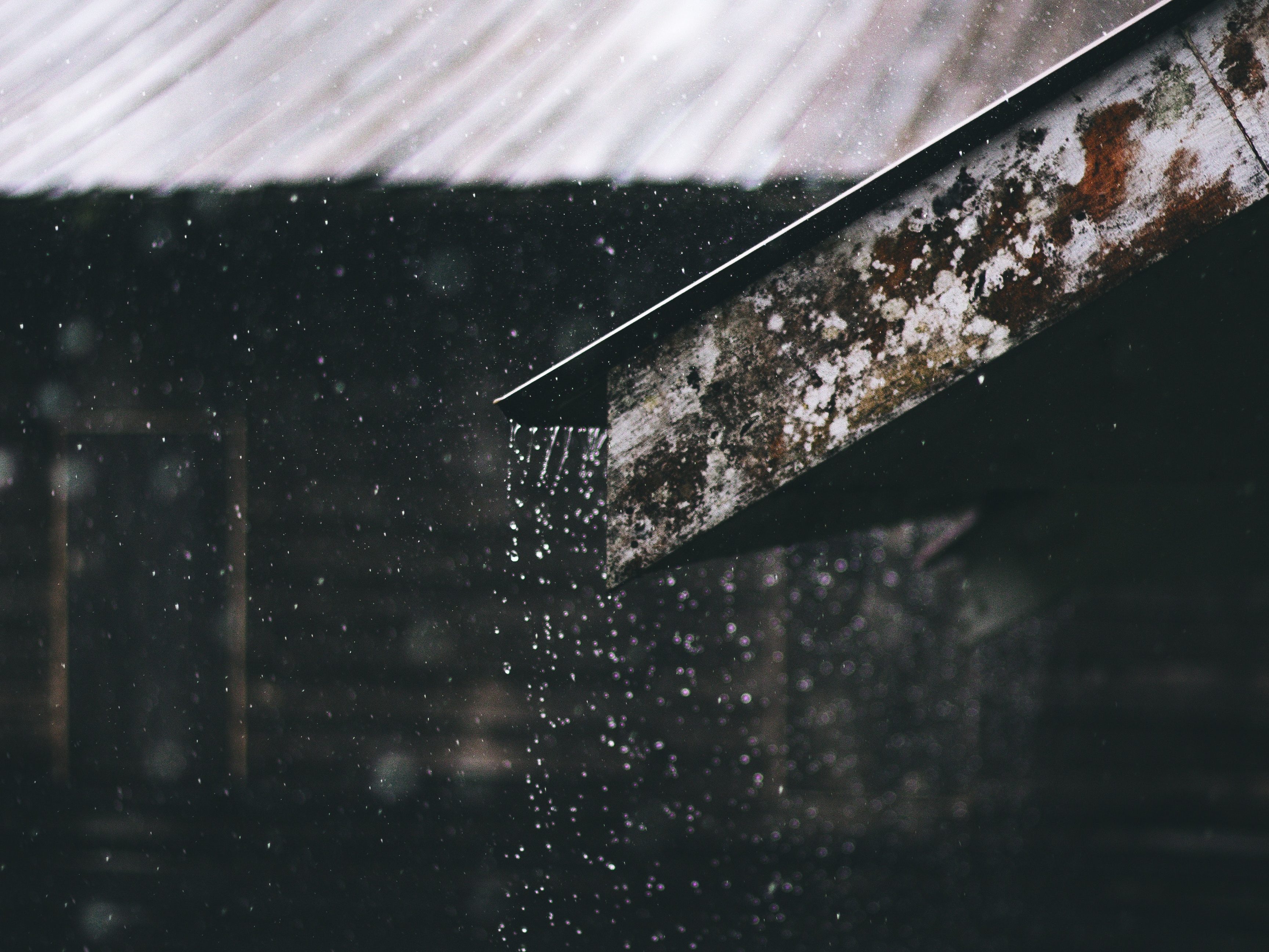
Introduction
Today, we’re going to talk about another one of our natural resources…rain water, and how we can use it to supplement our homesteads, small farms or off-grid lifestyles. In the coming paragraphs, we’ll share knowledge about collecting, filtering, storing and using rainwater to further our self-sufficiency and promote a sustainable living. By harnessing the power of rain, we can tap into a natural and renewable resource, reducing our reliance on external water sources.
Clean, freshwater is the lifeblood of any homestead or small farm. It sustains our plants, nurtures our animals, and supports our daily needs. However, in remote or off-grid locations, accessing reliable water sources can be a challenge. This is where the beauty of rainwater harvesting comes in.
Rainwater is a gift from nature. It falls freely from the sky, ready to be captured and utilized for a multitude of purposes. By collecting rainwater, we not only secure a consistent water supply, but we also become less dependent on traditional water systems. This newfound independence is empowering, giving us greater control over our resources and reducing our ecological footprint.
For those passionate about homesteading, small farming, and off-grid living, rainwater collection is an important practice. It allows us to create a closed-loop system, where water cycles through our property, meeting our needs while also benefiting the environment. Through careful collection, filtration, storage, and thoughtful utilization, rainwater can provide us with a sustainable, eco-friendly, and cost-effective solution.
In this primer, we will explore the basics of rainwater management. From collecting rainwater using various methods to ensuring its quality through filtration techniques, we will cover it all. We will look into storage options that suit different scales of operation, and finally, we will explore the numerous ways rainwater can be used, from irrigation and livestock care to household chores.
Whether you’re a homesteader aiming for self-sufficiency, a small farmer seeking water security, or an off-grid enthusiast embracing a sustainable lifestyle, this guide is designed to equip you with the knowledge and tools to make rainwater an integral part of your journey. So, let’s roll up our sleeves, open our minds to the possibilities, and discover the wonders of rainwater harvesting!
Collecting Rainwater
Roof Collection: One of the most popular and effective methods of rainwater collection is through roof collection. Your roof acts as a vast catchment area that channels rainwater into gutters and downspouts. Here’s what you need to know about this method:
a) Assessing Roof Material: Before you start collecting rainwater from your roof, it’s important to consider the material it’s made of. Most roofing materials, such as metal, tile, asphalt shingles, or concrete, are suitable for rainwater harvesting. However, some materials, like asbestos or treated wood, may not be safe for collecting drinking water.
b) Gutter Installation: To collect rainwater efficiently, you’ll need a well-functioning gutter system. Ensure your gutters are clean and free from debris that could obstruct the flow of water. Repair any leaks or damage to prevent waste.
c) Downspout Placement: Strategically position your downspouts to direct water into rain barrels or other collection systems. Consider placing them near the corners of your roof to maximize water capture. Ensure downspouts are securely connected to the gutters and that they are clean and free from blockages.
d) Rain Barrel Setup: Rain barrels are popular and affordable options for collecting rainwater from your roof. Choose food-grade barrels made of materials like polyethylene or stainless steel. Install a fine mesh screen over the barrel’s inlet to prevent leaves, debris, and insects from entering the system.
e) Overflow Prevention: When rain barrels reach their capacity, excess water needs an outlet to prevent overflowing. You can attach an overflow pipe to redirect excess water away from the foundation of your home or collect it in another storage container. This prevents potential water damage and erosion.
f) Maintenance and Safety: Regularly inspect your roof, gutters, and rain barrels to ensure they are in good condition. Clean out debris from gutters and screens to prevent clogging. Also, periodically sanitize your rain barrels to maintain water quality. Covering the barrels with a lid or screen helps keep out insects and debris while reducing evaporation.
g) Rainwater Diversion: Keep in mind that rainwater collected from your roof may not be suitable for drinking without proper filtration. Consider diverting the initial portion of rainfall, known as the “first flush,” away from your collection system. This helps remove the majority of debris and pollutants that accumulate on the roof, improving the quality of the harvested water.
By utilizing your roof as a rainwater catchment area, you can tap into a significant source of water. With proper maintenance and consideration for water quality, roof collection can provide you with a steady supply of rainwater for various homesteading and off-grid needs.
Filtering Rainwater
Filtering rainwater is an essential step in ensuring its cleanliness and suitability for various uses. While rainwater is generally clean, it can still contain impurities, debris, and contaminants. Here are some effective filtration techniques to consider:
- First Flush Diverter: To improve the quality of harvested rainwater, consider installing a first flush diverter system. This device diverts the initial portion of rainfall away from your storage containers, preventing debris, pollutants, and contaminants from entering the system. It typically consists of a pipe or valve that diverts the first flush of water into a separate drain or garden area.
- Sediment Filter: To remove larger particles and sediment from rainwater, use a sediment filter. Install it between the downspout and the storage container. Sediment filters typically consist of a mesh screen or cartridge that traps debris, leaves, and other larger particles. Regularly clean or replace the filter to maintain its effectiveness.
- Carbon Filter: A carbon filter is an excellent addition to your rainwater filtration system, especially if you plan to use the water for drinking, cooking, or other potable purposes. Carbon filters effectively remove chemicals, odors, and potential toxins from the water. They use activated carbon to absorb impurities and improve the taste and odor of the water. Ensure you choose a filter specifically designed for drinking water applications.
- UV Disinfection: While not essential for all uses, UV disinfection can be an additional step to ensure the safety of your rainwater. Ultraviolet (UV) sterilizers emit UV light that neutralizes and destroys bacteria, viruses, and other microorganisms present in the water. UV disinfection is particularly beneficial if you plan to use rainwater for drinking purposes. Install the UV sterilizer in the water line after the filtration system and follow the manufacturer’s instructions for optimal operation.
- Reverse Osmosis (RO): For the highest level of water purification, consider incorporating a reverse osmosis system into your rainwater filtration setup. Reverse osmosis utilizes a semipermeable membrane to remove dissolved solids, salts, heavy metals, and other contaminants from the water. It is a highly effective method of producing purified water, but it can be more complex and expensive to install and maintain compared to other filtration methods.
Remember to regularly inspect and maintain your filtration system. Clean or replace filters as recommended by the manufacturer to ensure optimal performance and water quality. Additionally, test your filtered rainwater periodically to ensure it meets your desired standards for different uses.
By implementing these filtration techniques, you can ensure that your harvested rainwater is clean, safe, and suitable for a wide range of homesteading, small farming, and off-grid living needs. Whether you use it for irrigation, livestock care, or potable purposes, filtered rainwater can be a valuable and sustainable resource on your property.
Storing Rainwater
Proper storage of rainwater is necessary to maintain its quality, ensure a consistent supply, and be prepared for times of water scarcity. Here are some key considerations for storing rainwater effectively:
- Rain Barrels: Rain barrels are popular and affordable options for small-scale rainwater storage. They are typically made of durable, food-grade materials such as polyethylene or stainless steel, with the most common size being 55 gallons. When choosing rain barrels, ensure they are UV-resistant to withstand prolonged exposure to sunlight. Position the barrels at the downspouts of your gutters, making sure they are securely placed on level ground or elevated on sturdy stands. Food-grade IBC totes are another popular and affordable option that can be used for rainwater collection. They comes in several sizes, with 275 gallon and 330 gallon being the most popular. They are made of UV-resistant materials and are supported with an integral cage surrounding the tote.
- Cisterns: For larger-scale rainwater storage, cisterns are a practical choice. Cisterns come in various sizes and materials, including concrete, plastic, or metal. When selecting a cistern, consider factors such as the anticipated rainfall in your area, your water needs, available space, and budget. It’s crucial to design and install a filtration system appropriate for the cistern’s size and purpose.
- Underground Tanks: If space is limited or you prefer a more discreet storage option, underground tanks are worth considering. These tanks are placed beneath the ground, preserving the aesthetics of your property while safeguarding the stored water from temperature fluctuations and sunlight exposure. Ensure the tanks are made of materials suitable for underground installation, such as high-density polyethylene (HDPE) or fiberglass. Consult professionals for proper installation and secure access points for maintenance.
- System Design: Regardless of the storage option you choose, pay attention to the overall system design. Ensure proper connections between the collection system (such as gutters or swales), filtration components, and storage containers. Incorporate overflow outlets and diverters to prevent waterlogging or overflow during heavy rainfall. Consider using screens or fine mesh filters at all entry points to prevent debris and insects from entering the storage system.
- Maintenance: Regular maintenance is essential to ensure the longevity and functionality of your rainwater storage system. Routinely inspect your storage containers for leaks, cracks, or signs of damage. Clean the containers periodically to remove sediment or biofilm buildup. Flush out the system before the rainy season to remove stagnant water and ensure a fresh supply. It’s also important to monitor water levels and plan for additional storage capacity if needed.
- Water Quality: Remember that rainwater is not inherently sterile. To maintain water quality, consider incorporating additional filtration and disinfection methods, as discussed in the previous section. Regularly test the water for pH, contaminants, and bacteria to ensure its safety for different uses, especially if you plan to use it for drinking or food preparation.
By implementing proper storage practices, you can ensure a consistent supply of high-quality rainwater for your homesteading, small farming, or off-grid living needs. Whether you opt for rain barrels, totes, cisterns, or underground tanks, careful system design and maintenance will contribute to the longevity and effectiveness of your rainwater storage setup.
Utilizing Rainwater
Now that you have successfully collected, filtered, and stored rainwater, it’s time to explore the numerous ways you can utilize this valuable resource on your homestead, small farm, or off-grid living situation. Here are some key applications for rainwater usage:
- Irrigation: Rainwater is excellent for irrigation purposes, because it is naturally free of chlorine and other chemicals typically found in tap water. Use rainwater to nourish your plants, vegetables, and orchards. You can distribute the water through soaker hoses, drip irrigation systems, or even sprinklers. By using rainwater for irrigation, you reduce the demand on local water sources and conserve this precious resource.
- Livestock and Animal Care: Rainwater can also play a significant role in providing clean water for your livestock and animals. Set up troughs or automatic watering systems that are fed by rainwater storage containers. Ensure the containers are properly filtered and regularly cleaned to maintain water quality. By utilizing rainwater for animal care, you can minimize the risks associated with relying solely on local water supplies.
- Household Uses: Rainwater is a valuable resource for various non-potable household needs. Consider using rainwater for activities such as cleaning, laundry, flushing toilets, and washing vehicles. Install separate plumbing lines to ensure rainwater is used exclusively for these purposes. Utilizing rainwater in your daily household tasks reduces your reliance on municipal water supplies and can lead to significant water savings over time.
- Greenhouse and Hydroponics: If you have a greenhouse or engage in hydroponic gardening, rainwater can be particularly beneficial. The natural nutrient content of rainwater can enhance plant growth and minimize the need for additional fertilizers. Collect and store rainwater specifically for these applications, ensuring it is properly filtered to avoid clogging irrigation systems or damaging delicate plants.
- Emergency Preparedness: Having a stored supply of rainwater can be invaluable during emergencies or unexpected disruptions in regular water service. In situations such as power outages, natural disasters, or water supply contamination, rainwater can serve as a backup source for essential needs, including drinking, cooking, and sanitation. Be sure to have a plan in place for accessing and utilizing your stored rainwater in times of crisis.
- Community and Environmental Initiatives: Beyond personal use, rainwater can be utilized for broader community and environmental initiatives. Consider using rainwater to replenish ponds or establish wildlife habitats on your property. You can also collaborate with local organizations or schools to promote rainwater harvesting and conservation in your community. By sharing your knowledge and experiences, you can inspire others to adopt sustainable water practices.
Remember to regularly monitor your rainwater supply and adjust your usage accordingly. Be mindful of local regulations and restrictions, especially when it comes to potable water usage. Additionally, continue to explore innovative ways to maximize the potential of rainwater in your specific homesteading, small farming, or off-grid living context.
By utilizing rainwater in a thoughtful and efficient manner, you are not only reducing your reliance on external water sources but also contributing to a more sustainable and resilient lifestyle. Embrace the power of rainwater as a valuable resource and continue to explore its endless possibilities in meeting your water needs.
Conclusion
Congratulations! You have now acquired a basic understanding of rainwater collection, filtration, storage, and usage. By implementing these practices, you are taking significant steps towards self-sufficiency, sustainability, and a more resilient homestead or off-grid lifestyle.
Through the diligent collection of rainwater, you are harnessing a natural resource that is freely available to you. By filtering and storing rainwater, you ensure its cleanliness and make it readily accessible during times of need, such as dry spells or emergencies. The versatility of rainwater allows you to meet various needs, from irrigation and livestock care to everyday household tasks.
By integrating rainwater harvesting into your homesteading or off-grid endeavors, you are not only reducing your reliance on external water sources but also contributing to the conservation of precious freshwater resources. As a responsible steward of the land, you are actively participating in sustainable water management, promoting ecological balance, and preserving the environment for future generations.
Remember that successful rainwater harvesting is a continuous process that requires monitoring, maintenance, and adaptation to your specific circumstances. Regularly inspect your collection systems, clean and replace filters as needed, and ensure proper storage conditions. Additionally, stay informed about local regulations and guidelines pertaining to rainwater usage, especially if you plan to use it for potable purposes and do your due diligence for further research on this topic.
Lastly, by spreading awareness and encouraging sustainable practices, you contribute to a more water-conscious and environmentally friendly society. So, embrace the power of rainwater as a valuable resource on your homestead. Let it nourish your crops, sustain your animals, and support your daily needs. Keep exploring, experimenting, and finding innovative ways to maximize the potential uses of rainwater.
Subscribe now to never miss a post from Skillful Living…


 Skillful Living