Introduction
For centuries, humans have marveled at the extraordinary social structure of bees and their incredible ability to create honey. Throughout history, honey has held a special place in human culture. Ancient civilizations revered bees and their golden elixir, recognizing honey not just as a sweet treat, but also as a valuable commodity with remarkable properties. From the pyramids of Egypt to the ancient Mayan temples, honey has been used for culinary, medicinal, and spiritual purposes.
But, beyond its historical significance, beekeeping offers a myriad of benefits for those embracing a homesteading lifestyle. By introducing hives into your world, you not only contribute to the vital task of pollination, but also gain access to an array of bee-derived products, with honey taking center stage.
Getting Started with Beekeeping
The Importance of Bees
Before adding beekeeping to your homestead or small farm, it’s important to understand the full importance of bees. Bees are not just honey producers; they are vital pollinators that play a crucial role in maintaining the balance of our ecosystems. Without bees, many plants, including agricultural crops, would struggle to reproduce, leading to a decline in food production and biodiversity. By becoming a beekeeper, you’re directly contributing to the preservation of these valuable pollinators.
Research and Preparation
Prior to the start of your beekeeping endeavor, you should familiarize yourself with the fundamentals, such as hive management techniques, bee behavior, and common challenges. Numerous resources are available, including books, online forums, local beekeeping associations, and workshops. Take advantage of these resources to gain knowledge and insights from experienced beekeepers in your area.
Choosing the Right Location
Selecting the right location for your beehives is one of the more important decisions you’ll make for the success of the hive. Bees require access to abundant sources of nectar and pollen, so choose a location that offers a diverse range of flowering plants throughout the seasons. Additionally, consider the proximity to water sources, such as ponds or streams, as bees need water for hydration. Ensure that the chosen location provides protection from strong winds, extreme temperatures, and potential disturbances from humans and animals.
Acquiring Bees
Packaged bees, which consist of a queen and worker bees, are commonly sold by reputable bee suppliers. Nucleus colonies, or “nucs,” are small, established colonies with a queen, brood, and worker bees. Catching swarms, while more challenging, can be a rewarding way to acquire bees and save them from unwanted locations. Whichever option you choose, ensure that the bees are healthy and come from reliable sources to give your hive the best start.
Hive Equipment and Supplies
Beekeeping requires specific equipment and supplies to ensure the well-being of your bees and the smooth operation of your hives. The primary component is the hive itself, which can come in various types, including Langstroth, top-bar, or Warre hives. Each hive type has its advantages and disadvantages, so choose one that aligns with your goals and preferences. Other essential equipment includes hive tools, smokers, protective gear such as bee suits and gloves, and feeders for supplemental feeding if necessary. Additionally, consider purchasing honey extraction equipment, such as honey extractors, strainers, and storage containers, to harvest and process your honey.
Local Regulations and Beekeeping Laws
Before establishing your beehives, familiarize yourself with the local regulations and beekeeping laws in your area. Some regions may have specific rules regarding the number of hives allowed, hive placement, or registration requirements. Compliance with these regulations ensures responsible beekeeping practices and fosters positive relationships with neighbors and local authorities.
Connecting with the Beekeeping Community
Beekeeping is a community-driven endeavor, and connecting with experienced beekeepers can provide valuable insights and support. Join local beekeeping associations or online forums where you can exchange knowledge, ask questions, and seek guidance. Participating in mentorship programs or attending beekeeping workshops and conferences can further expand your network and deepen your understanding of beekeeping practices.
Setting Up and Maintaining Your Hive
Hive Components
Understanding the various components of a beehive is essential for successful beekeeping. A typical hive consists of the following parts:
- Bottom Board: The base of the hive that provides an entrance for the bees and serves as a foundation for the entire structure.
- Brood Boxes: Deep boxes where the queen lays eggs, and the worker bees raise brood (larvae). These boxes usually contain frames with removable comb foundations.
- Supers: Additional boxes placed above the brood boxes to provide space for the bees to store surplus honey. Supers also contain frames with comb foundations or drawn-out comb.
- Frames: Wooden or plastic frames that hold the comb and serve as a structural framework for the bees to build honeycomb and raise brood.
- Foundation: Thin sheets of beeswax or plastic that provide a guide for the bees to build comb on the frames. Foundation helps maintain the integrity of the comb and allows for uniform bee spacing.
- Inner Cover: A board that sits directly on top of the uppermost super and provides insulation and ventilation while serving as a barrier between the bees and the outer cover.
- Outer Cover: The topmost component that protects the hive from the elements. It helps regulate temperature and provides shelter.
Hive Placement
Choosing the right placement and configuration for your beehive is crucial for the health and productivity of your colony. Consider the following factors:
- Sunlight Exposure: Bees thrive in sunny locations, as sunlight helps regulate temperature and activity within the hive. Aim for at least 6-8 hours of direct sunlight each day.
- Wind Protection: Strong winds can stress and chill the bees, so position the hive in a sheltered area or use natural windbreaks like fences, trees, or shrubs.
- Accessibility: Ensure easy access to the hive for regular inspections, maintenance, and honey harvesting. Leave ample space around the hive for maneuvering and working comfortably.
Hive Configuration
The choice of hive configuration depends on personal preference, beekeeping goals, and local conditions. The most commonly used hive types are:
- Langstroth Hive: Consisting of stacked boxes, Langstroth hives provide vertical expansion and easy management. Frames are standardized, allowing interchangeability and compatibility with other beekeepers’ equipment.
- Top-Bar Hive: In this horizontal hive, bars span the width of the hive, and bees build natural comb downward. Top-bar hives are popular among natural beekeeping enthusiasts and those who prefer a simpler setup.
- Warre Hive: Similar to a top-bar hive, the Warre hive emphasizes natural comb building and requires minimal intervention. It is well-suited for those seeking a hands-off approach to beekeeping.
Hive Inspection and Maintenance
Regular hive inspections are crucial for assessing the health of your colony, identifying potential issues, and ensuring the hive’s overall well-being. Here are key aspects of hive inspection and maintenance:
- Timing: Conduct inspections every 1-2 weeks during the active season, spring through fall. Limit disturbances during winter when the bees are in a cluster and require minimal intervention.
- Approach: Wear appropriate protective gear, including a bee suit, gloves, and a veil, to minimize the risk of stings. Use a smoker to calm the bees before opening the hive and work gently and methodically.
- Observation: Look for signs of a healthy queen, brood patterns, pests (such as Varroa mites or hive beetles), and diseases. Assess honey stores and the general condition of the frames and comb.
- Maintenance Tasks: Rotate frames to encourage even utilization, replace old or damaged comb, and clean or repair hive components as needed. Provide supplemental feeding if the colony lacks sufficient food sources.
Pest and Disease Management
Implement integrated pest management strategies to control common issues like Varroa mites, wax moths, and American foulbrood. Stay informed about local regulations and appropriate treatments to maintain colony health.
Record Keeping
Maintain a hive journal or record system to track hive observations, treatments, honey yields, and any other relevant information. It helps to monitor trends, make informed decisions, and learn from past experiences. By staying attentive and adaptable, you will help your bees maintain the health of the hives.
Managing Bee Health and Behavior
Feeding and Nutrition
While bees primarily gather nectar and pollen from flowers, there are times when supplemental feeding becomes necessary. Feeding your bees ensures they have sufficient food during periods of nectar dearth, winter months, or when establishing a new colony. Sugar syrup, made by dissolving sugar in water, is commonly used for feeding. Beekeepers may also provide pollen substitutes or pollen patties to supplement the bees’ protein intake. Ensure proper feeding techniques, such as using feeders and monitoring food consumption, to support the health and vitality of your colony.
Hive Population Management
Managing the population of your bee colony is crucial for maintaining a balanced and productive hive. This includes monitoring and understanding the growth and dynamics of the colony. Recognize signs of swarming, a natural reproductive behavior of bees, and take appropriate preventive measures to avoid losing a portion of your colony. Methods such as splitting colonies, creating nucleus colonies, or providing additional space in the hive can help prevent swarming and promote colony expansion.
Queen Management
The queen bee is the heart of the colony, responsible for laying eggs and maintaining the hive’s population. Regularly check for the presence and health of the queen during hive inspections. If necessary, introduce a new queen to replace an underperforming or lost queen. Techniques such as queen rearing or purchasing mated queens from reputable breeders can be employed to maintain a strong and genetically diverse bee population.
Bee Health and Disease Management
Monitoring and maintaining bee health is critical for the overall success of your beekeeping venture. Be vigilant in identifying signs of diseases, pests, and parasites that can negatively impact your colony. Conduct regular mite checks, use appropriate treatments when necessary, and employ integrated pest management strategies. Familiarize yourself with common bee diseases, such as American foulbrood or chalkbrood, and consult local beekeeping associations or experts for guidance on prevention and treatment methods.
Swarm Control
Swarming is a natural instinct of bees to reproduce and establish new colonies. While swarming is a remarkable phenomenon, it can lead to the loss of valuable bees. Implement swarm control measures, such as providing adequate space in the hive, managing population growth, and using swarm traps or bait hives to capture and relocate swarms. By practicing effective swarm control, you can prevent the loss of bees while potentially expanding your apiary.
Environmental Stewardship
Create an environment that supports bees by planting a diverse range of nectar and pollen-rich flowers. Avoid or minimize the use of pesticides and chemicals that could harm bees and other pollinators. Encourage sustainable and organic practices that promote the health of both your bees and the surrounding ecosystem. By fostering a bee-friendly environment, you contribute to the larger goal of conserving and protecting our valuable pollinators.
Turning Beekeeping into Profit
Honey Harvesting
Harvesting honey is the much-anticipated culmination of your beekeeping efforts. Here’s a step-by-step guide to the honey harvesting process:
- Timing: Harvest honey when the honeycomb is capped and fully ripened. This indicates that the moisture content is sufficiently low for long-term storage.
- Preparation: Put on your protective gear and use a bee smoker to calm the bees before opening the hive. Ensure you have the necessary equipment, including a honey extractor, uncapping knife, buckets, sieves, and storage containers.
- Frame Extraction: Remove the honey-filled frames from the supers, gently brush off bees, and transport them to an extraction area. Use an uncapping knife to remove the thin beeswax cappings from the honeycomb cells, exposing the honey.
- Extraction: Place the uncapped frames in a honey extractor, a centrifugal device that spins the frames to release honey. The extracted honey flows down the walls of the extractor and collects at the bottom. Collect the honey in buckets or directly strain it through a sieve to remove any wax or debris.
- Bottling and Storage: Allow the honey to settle for a day or two to let air bubbles rise to the surface. Pour the clarified honey into clean, sterilized jars, and seal them tightly. Store the jars in a cool, dark place to maintain the honey’s quality and prevent crystallization.
Beeswax Harvesting and Uses
Beeswax, another valuable product of beekeeping, has numerous practical and creative applications. To harvest beeswax:
- Collection: During honey extraction, the beeswax cappings from the frames can be collected. Remove any residual honey by rinsing the cappings with warm water or using solar wax melters.
- Purification: Melt the collected beeswax to remove impurities and debris. You can use a double boiler or solar wax melter to melt the wax gently. Once melted, strain the liquid wax through a fine sieve or cheesecloth to remove any remaining impurities.
- Utilization: Beeswax can be used to make candles, lip balms, lotions, soaps, and other natural beauty and household products. It’s also used in crafting, woodworking, and preserving leather. Explore various beeswax recipes and experiment with your creativity to make unique and useful products.
Pollen Collection and Usage
While beekeepers primarily focus on honey production, collecting and utilizing bee pollen can offer additional benefits:
- Collection: Install a pollen trap at the hive entrance to collect pollen pellets. The trap allows bees to enter the hive while gently removing pollen from their legs. Regularly check the trap and collect the pollen pellets.
- Storage and Consumption: Store pollen pellets in airtight containers in a cool and dry place to maintain their quality. Bee pollen is highly nutritious and can be consumed directly or added to smoothies, granola, or baked goods. It is rich in vitamins, minerals, enzymes, and protein, making it a valuable supplement.
Value-Added Products and Entrepreneurship
Beekeeping presents opportunities for entrepreneurial ventures and value-added products. Consider the following options to generate income and expand your beekeeping enterprise:
- Honey Sales: Sell your honey directly to local customers, farmers’ markets, health food stores, or online platforms. Label and package your honey attractively, highlighting its unique qualities, such as floral sources or organic production methods.
- Bee Product Line: Develop a line of value-added products using honey, beeswax, and other natural ingredients. Create candles, lip balms, skincare products, or beeswax wraps. Establish partnerships with local artisans or retailers to distribute your products.
- Pollination Services: Offer your bees for pollination services to local farmers or gardeners. Many crops rely on bee pollination, and renting out your colonies can be a mutually beneficial arrangement.
Remember to comply with local regulations, obtain necessary licenses or permits, and follow food safety guidelines when selling honey or bee products commercially. Entrepreneurship in beekeeping not only offers financial opportunities, but also promotes awareness about the importance of bees and their vital role in our ecosystem.
Conclusion
As you tend to your buzzing hives, you’ll witness the fascinating social structure of bees, their remarkable communication, and their tireless dedication to the important task of pollination. You’ll become an integral part of the delicate balance that sustains our ecosystems, contributing to the growth of fruits, vegetables, and flowers that depend on the diligent work of these tiny creatures.
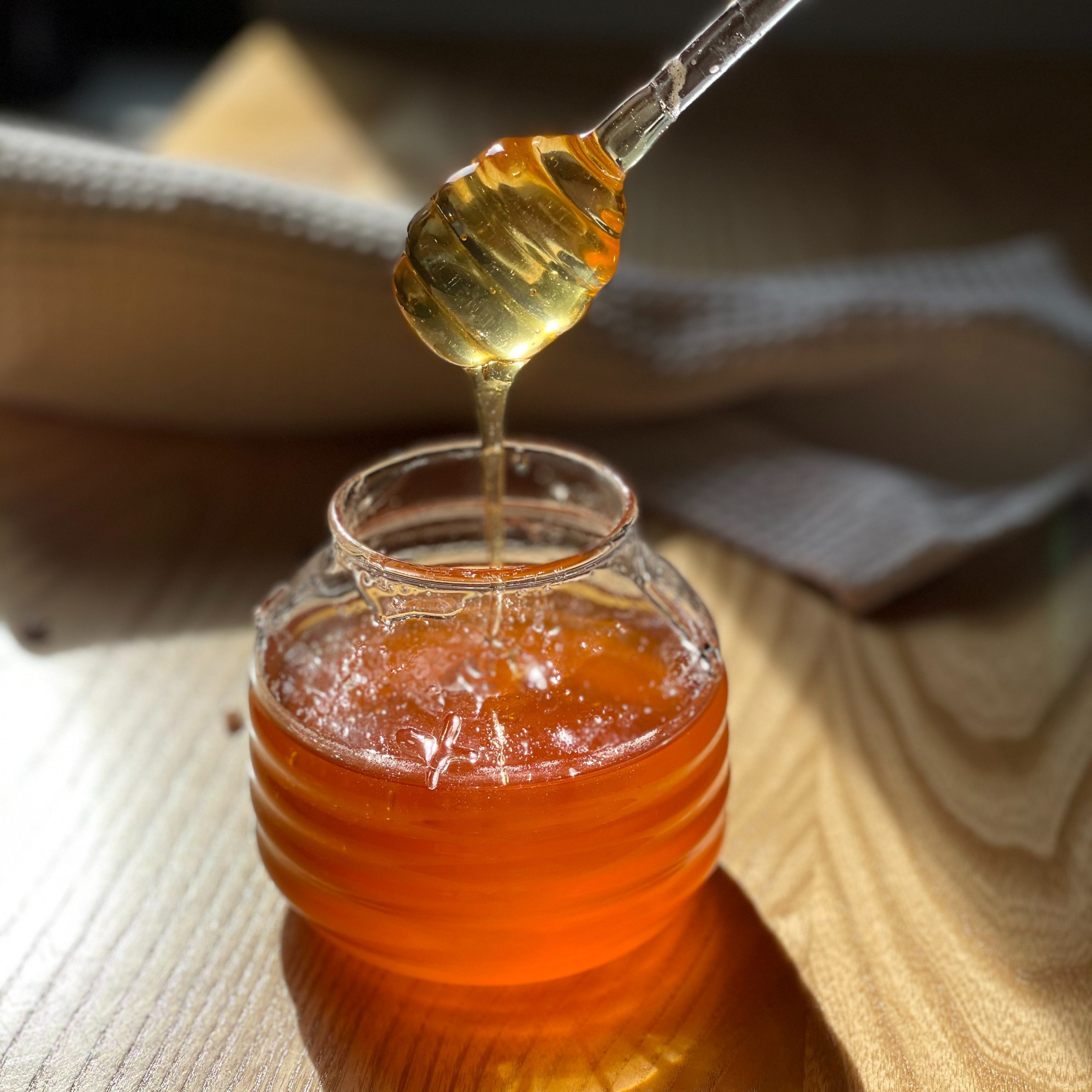
Honey, the golden nectar produced by your bees, will become a centerpiece of your kitchen and a source of culinary delight. Its unique flavors and aromatic notes will vary depending on the local flora your bees have visited, providing you with a taste of your surroundings.
Beyond honey, your bees will gift you with other valuable bee products. Beeswax, a natural marvel, can be transformed into beautiful candles, soothing lip balms, and luxurious soaps. The pollen your bees collect can be utilized as a nutritious supplement, providing you with additional health benefits.
By selling your honey and bee products, you have the opportunity to support your homestead financially. Whether you choose to participate in local farmers’ markets, set up an online store, or establish partnerships with nearby businesses, your beekeeping venture can become a source of income and a means of sustaining your off-grid lifestyle.
Moreover, beekeeping opens doors to the world of pollination services. By renting your hives to orchards, farms, and gardens in need of pollination, you can contribute to the success of agricultural endeavors while expanding your income streams. Your bees become valuable partners, enhancing crop yields and fostering sustainable agricultural practices.
So, embrace this craft and let the gentle hum of your bees guide you on a path of discovery and abundance. May your hives thrive, your honey flow, and your journey as a beekeeper be filled with wonder and sweetness.
Subscribe now to never miss a post from Skillful Living…


 Skillful Living
One response to “The Buzz on Beekeeping: Bees 101”
This is very interesting to know about how much it takes to get just a jar of honey. That a lot of work.
LikeLike