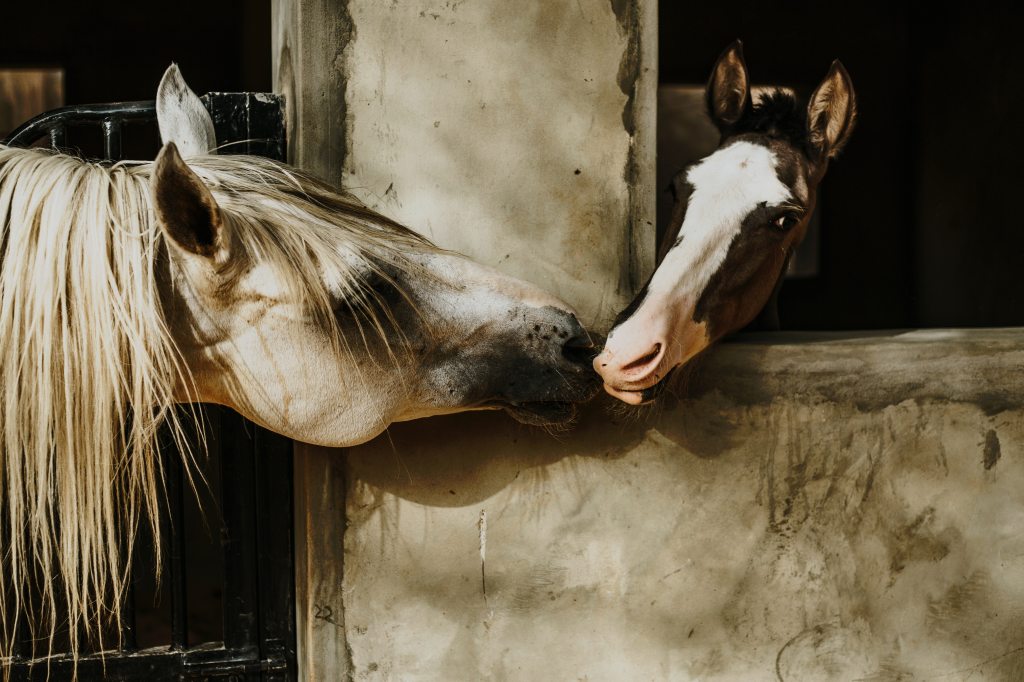
Introduction
Welcome to the exciting world of horses. Today, we will explore these majestic animals and consider their role on homesteads and small farms. Whether you’re a beginner or already have some horse experience, this guide will provide you with valuable insights to make informed decisions and ensure the well-being of your equine companions. Remember, this isn’t a comprehensive encyclopedia on horses; rather, it’s a concise overview and primer to get you started and we recommend further research be done before moving forward with a purchase.
Research
Getting to Know Horses: These remarkable creatures have been intertwined with human history for centuries, evolving from essential partners in labor to cherished companions and allies in various sports and activities. If you’re considering bringing a horse onto your homestead or farm, it’s important to understand the various types of horses and their intended purposes.
Exploring the World of Horses: Horses have held pivotal roles throughout history, playing essential parts in transportation, agriculture, and even warfare. However, in modern times, our relationship with horses has transformed into something much deeper. People from all walks of life have discovered the joys of bonding with these gentle giants, whether for recreational riding, therapy, or even competitive events. Understanding the layers of their history and significance can help you appreciate the unique connection you’re about to embark on.
Types of Horses for Different Purposes: Horses come in a diverse range of breeds, each tailored to specific tasks and roles. Some breeds are exceptional for riding, while others excel in pulling carts, assisting with farm work, or participating in various equine sports. If you’re envisioning a horse that becomes an integral part of your homestead, it’s important to match the breed and characteristics with your intended purpose. From Clydesdales known for their strength to Arabians celebrated for their endurance, exploring the diverse array of horse breeds is like discovering a world of possibilities.
A Bond Beyond Words: Interacting with horses goes beyond spoken language. These intuitive creatures are highly sensitive to human emotions and body language. Developing a strong bond with your horse is built on trust, mutual respect, and a deep understanding of each other’s cues. Whether it’s through grooming sessions, quiet moments in the pasture, or the rhythm of your rides, this connection forms the foundation of a rewarding partnership.
A Spectrum of Equine Activities: As you learn about horses, you’ll discover the spectrum of activities they can be involved in. From trail riding to show jumping, dressage to rodeo events, and therapeutic riding to equine-assisted therapy, horses can cater to a wide range of interests and needs. Understanding the potential avenues for you and your horse can guide your journey and open up new possibilities for enrichment.
Lifelong Companion: Bringing a horse into your life is a long-term commitment. These creatures can live for several decades, and caring for them requires dedication, time, and resources. The decision to welcome a horse onto your homestead should be based on careful consideration of your lifestyle, available space, and your ability to provide them with proper care and attention.
Things to Consider Before Buying
Selecting the Perfect Horse: When purchasing a horse, there are key factors to consider. Look for a horse that displays good health, alertness, and a friendly disposition. Observe how the horse interacts with people and other animals. Spend time interacting with them, both on the ground and while riding. Assess how they respond to various cues, their willingness to cooperate, and their overall demeanor. A horse’s personality should resonate with your own, forming the foundation of a harmonious partnership.
Before finalizing any purchase, it’s very important to have a qualified veterinarian conduct a thorough health examination. This evaluation should encompass a horse’s overall health, soundness, and any potential medical concerns. A clean bill of health ensures that you’re starting off on the right foot and setting your new equine companion up for a healthy future.
Consider Age and Experience: Horse age and experience play vital roles in determining their suitability for your needs. Younger horses might require more training and time before they’re suited for your intended activities. Older horses might bring experience to the table, but their physical abilities could be more limited. Carefully consider the balance between age and experience that aligns with your goals.
Matching Personality and Rider Skill: Compatibility between your own skill level and the horse’s temperament is key. A spirited horse might be ideal for an experienced rider seeking challenges, but it might overwhelm a novice. Likewise, a calm and steady horse can be a confidence-builder for beginners. Ensuring that your personalities and riding capabilities align will enhance the enjoyment and safety of your interactions.
Trusting Your Instincts: While research and advice are essential, don’t underestimate your gut feeling. Sometimes, an unexplainable connection forms between a person and a horse. If you feel a strong bond or connection with a particular horse, it’s worth exploring further. Trusting your instincts can lead to a partnership built on genuine understanding and companionship.
Budget Considerations: Selecting a horse involves financial commitments beyond the initial purchase. Consider ongoing costs such as feed, veterinary care, farrier services, and shelter. Additionally, you’ll need to invest in proper equipment, including saddles, bridles, grooming tools, and more. These items contribute to the comfort and well-being of your horse and enhance your overall experience as an owner. Having a realistic budget that covers both the initial acquisition and ongoing expenses will prevent unexpected financial strain down the road.
Caring for your Horse
Create a Comfortable Home: Housing for horses can vary based on your resources and available space. Providing shelter from extreme weather conditions is extremely important for the health and safety of your horse and should not be taken lightly. Options range from simple run-in sheds to traditional barns. Make sure your horse has ample space to move around and interact with other horses if you plan on having multiple equine companions.
Feeding Your Equine Friend: Horses have unique dietary needs, primarily consisting of forage, such as hay and grass. It’s essential to provide quality forage and consider supplementing their diet with grains or pellets if necessary. Consult with a veterinarian or equine nutritionist to ensure your horse’s dietary requirements are met.
Quenching Their Thirst: Water is vital to a horse’s health and well-being. Always ensure a clean and accessible water source. Automatic waterers are excellent options for keeping water fresh and available at all times.
Training and Bonding: Training your horse involves building a strong bond based on trust and respect. Positive reinforcement methods are effective for teaching basic commands and behaviors. Establishing clear communication and setting boundaries will create a harmonious relationship between you and your horse.
Saddle Up and Ride: Riding a horse is an exhilarating experience, but safety is paramount. Start with basic riding lessons if you’re a beginner. Wear appropriate riding gear, including a helmet and sturdy footwear. Always ride in a secure and enclosed area until you’re confident in your riding skills.
Pre-Ride Considerations: Before you hit the saddle, ensure your horse is groomed, tacked up correctly, and in good health. Check their hooves for debris and make sure their back and saddle area are comfortable. A quick warm-up and stretch will help your horse prepare for the ride ahead.
From Foals to Friends: If you’re considering breeding your horses, be prepared for the responsibilities of foal care. Foals require special attention and care to ensure healthy growth and development. Regular veterinary check-ups, proper nutrition, and socialization are important aspects of raising young horses.
Caring for Multiple Horses: When you have multiple horses, managing their care becomes more intricate. Each horse’s personality, dietary needs, and exercise requirements must be taken into account. Additionally, introducing new horses to an existing herd requires careful planning to prevent conflicts.
Tailored Care for Mothers and Babies: Caring for a mare and her foal involves providing a safe and quiet environment for bonding. The mare should receive proper nutrition to support lactation and ensure her foal receives the necessary nutrients.
Grooming
Grooming your horse is essentially an art. It is a practice that forms the cornerstone of maintaining the health, well-being, and beauty of your equine companion. It isn’t merely about aesthetics; but, is a holistic process that fosters a deep connection between you and your horse while promoting their physical and emotional wellness. It’s a ritual that has been passed down through generations, forming a bond between humans and horses that transcends words. As you run your hands over your horse’s coat, you’re not just removing dirt and debris; you’re fostering a sense of trust and relaxation.
The Physical Benefits: Regular grooming offers a plethora of physical benefits for your horse. Brushing removes dust, dirt, and dead skin cells, improving the overall condition of their coat and skin. This action stimulates blood circulation, promoting a healthy, glowing coat. Additionally, grooming allows you to closely inspect your horse’s body, enabling you to identify any wounds, skin irritations, or unusual lumps that might require attention.
A Therapeutic Connection: Grooming sessions provide a platform for strengthening your bond with your horse are also a therapeutic experience for both of you. These moments of focused attention create a sense of companionship and trust. Take your time, use gentle and confident movements, and observe your horse’s reactions. As you groom, your touch can soothe and calm your horse, alleviating any tension or stress they might be experiencing. This tactile interaction strengthens the bond between the two of you, reassuring your horse that they’re in a safe and caring environment. Additionally, you’ll come to recognize their preferences, sensitive areas, and the unique quirks that make them who they are.
Tools of the Trade: The grooming process involves an array of tools, each serving a specific purpose. A curry comb helps loosen dirt and debris from the coat, while a stiff brush removes these particles from the surface. A soft brush polishes the coat and brings out its natural shine. Mane and tail combs, use a few times per week, detangle and neaten these areas. Hoof picks clean out dirt and rocks from the hooves, and is an essential practice for hoof health.
Foundations of Hoof Health: The importance of maintaining hoof health cannot be over-emphasized. A horse’s hooves are not just functional structures; they are a foundation for their well-being. Hooves provide support, absorb shock, and aid in movement. Neglecting hoof care can lead to discomfort, lameness, and even long-term issues that affect your horse’s quality of life. By establishing a solid routine, you’re contributing to their overall health and happiness.
Regular Cleaning: Daily hoof cleaning is the cornerstone of hoof health. Mud, dirt, rocks, and debris can accumulate in the hooves, potentially leading to discomfort and injury. Use a hoof pick to carefully clean out the debris from the crevices of each hoof. Regular cleaning also allows you to spot any signs of infection or abnormalities early on.
Trimming and Farrier Care: Routine hoof trimming is essential to maintain the appropriate length and balance of the hooves. Overgrown hooves can lead to uneven weight distribution, affecting the horse’s gait and causing discomfort. A skilled farrier should be enlisted to trim and maintain the hooves every 6-8 weeks, adjusting the schedule based on your horse’s individual needs.
Checking for Signs of Trouble: Your regular hoof care routine offers an opportunity to assess the health of your horse’s hooves. Keep an eye out for signs of trouble such as cracks, splits, or any discharge indicating infection. Additionally, pay attention to the appearance of the soles and frogs—the central and rear parts of the hooves—checking for any abnormalities or sensitivity.
Balancing the Diet: Hoof health is closely linked to overall nutrition. A balanced diet rich in essential nutrients, including biotin, zinc, and amino acids, supports strong and resilient hooves. Consult with an horse nutritionist to ensure your horse’s diet promotes healthy hoof growth.
Maintaining Proper Moisture Levels: Hooves require an appropriate moisture balance. Extremely wet conditions can lead to softened hooves that are more prone to damage, while excessively dry conditions can cause cracking and brittleness. Regularly applying hoof moisturizers or dressings can help maintain the right moisture balance. In wet conditions, consider using protective boots to prevent excessive moisture absorption.
Proper Footing and Exercise: The environment your horse lives in has a significant impact on their hoof health. Providing appropriate footing, whether in a pasture or an arena, can help prevent excessive wear and tear. Regular exercise is also vital, because movement stimulates blood circulation within the hooves, promoting healthy growth.
Detecting Lameness Early: Regular hoof care routines enable you to detect lameness or discomfort early on. If you notice changes in your horse’s gait, reluctance to put weight on a particular hoof, or any signs of discomfort, consult with a veterinarian or a farrier promptly. Timely intervention can prevent minor issues from escalating into major problems.
Addressing Special Needs: Every horse is unique, and some might require special grooming considerations. Horses with longer coats, such as those in colder climates, might benefit from additional brushing to prevent matting. Horses with certain skin conditions might need gentle, hypoallergenic grooming products. Always tailor your grooming routine to suit your horse’s specific needs.
Mindful Grooming: Approach grooming as a mindful practice. It’s not just a chore to check off your list; it’s an opportunity to be present with your horse. Use the time to observe their overall demeanor, check for any signs of discomfort, and communicate with them through your touch. This mindfulness fosters a deep connection and helps you better understand your horse’s physical and emotional state.
Lastly, grooming is more than a routine—it’s a language of love and care that transcends the boundaries of spoken words. With each brushstroke, you’re not just enhancing your horse’s appearance; you’re nurturing their well-being and forging an unspoken bond that speaks volumes. Remember, every grooming session is an opportunity to strengthen your connection and ensure the holistic health of your equine partner.
Conclusion
Welcoming horses onto your homestead or small farm can be a rewarding experience. By learning about the different types of horses, their needs, and proper care techniques, you’ll be well-prepared to provide a happy and healthy life for your equine companions. Remember that patience, dedication, and ongoing education are key to forming a strong bond with your horses and ensuring their well-being.
Subscribe now to never miss a post from Skillful Living…


 Skillful Living
One response to “Horses 101”
There is a lot to taking care of a horse 🐎 then you would think especially with their feet that was a lot of information thank you. Are better known as hooves
LikeLike